
Gasoline Drove More Than Half of September's CPI Increase
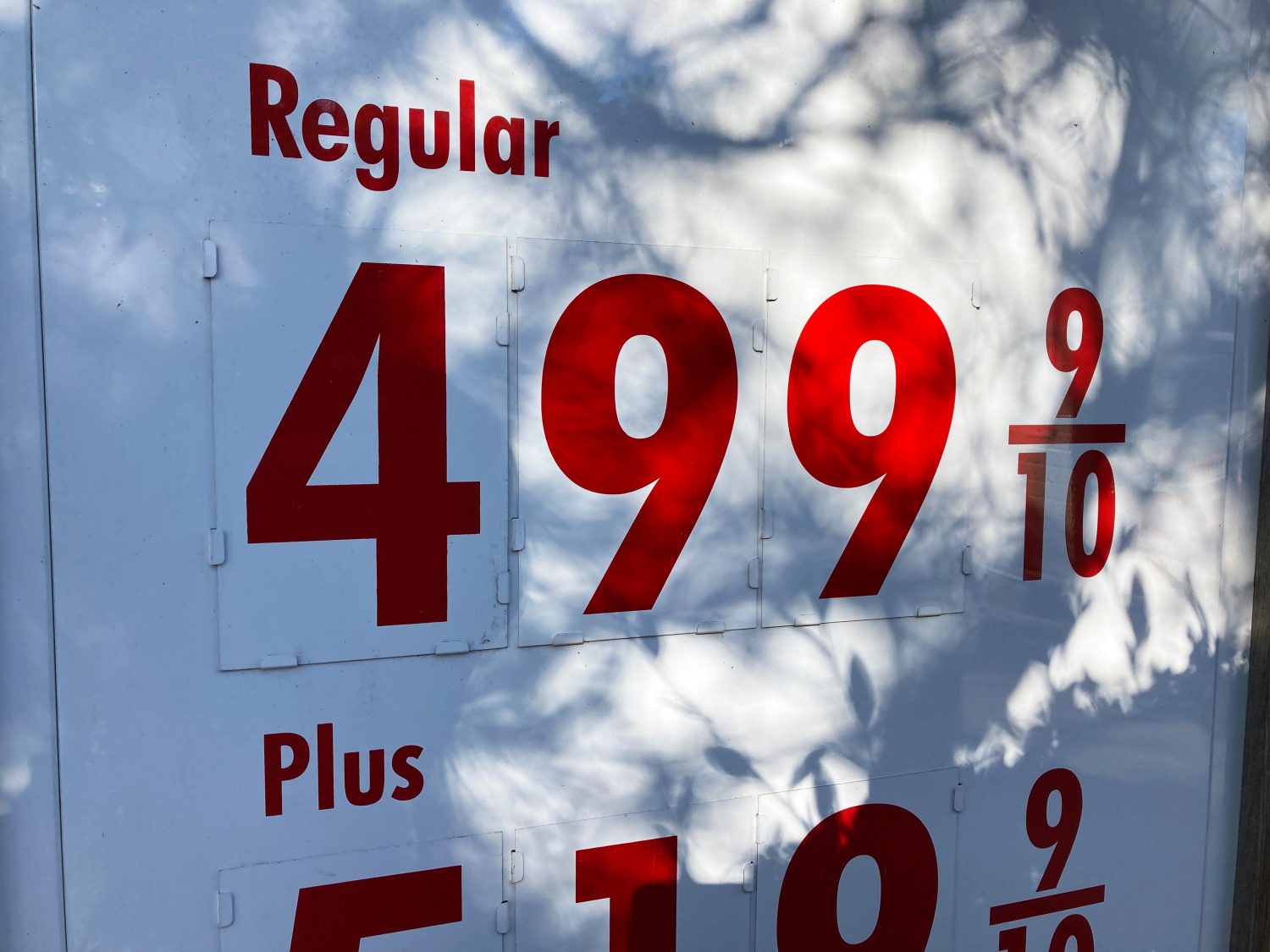
U.S. consumer prices rose 0.6% in September, with gasoline accounting for more than half of the monthly increase. Core inflation stayed at 0.3%, separating an energy shock from broader price pressure.
Gasoline accounted for more than half of the September increase in U.S. consumer prices. The Consumer Price Index rose 0.6% on a seasonally adjusted basis, while gasoline jumped 9.1% and the broader energy index increased 5.2%, according to the Bureau of Labor Statistics.
The distinction between monthly and annual figures is important. Headline inflation reached 3.7% over 12 months, while gasoline was up 34.2% and fuel oil 74.2%. Core prices, which exclude food and energy, rose 0.3% in September for a second straight month.
An energy shock with a broader consequence
Energy can lift headline inflation quickly because fuel is purchased frequently and feeds transportation costs. Higher gasoline prices also reduce household spending power even when other categories are calmer. The Federal Reserve cannot produce more oil, but persistent energy inflation can still influence expectations and delay confidence that overall inflation is returning to target.
The report did not show the same acceleration everywhere. Food prices were unchanged in September, shelter rose 0.4% and the core index held its prior monthly pace. That is counterevidence to the claim that all prices were suddenly reaccelerating.
Markets nevertheless reacted to the headline. The source article said the S&P 500 fell 1.11% and the Nasdaq 1.88% on October 14, while the Energy Select Sector SPDR Fund gained 0.64% and approached its one-year high. Oil producers can benefit from higher prices, but an equity fund is not a pure barrel-of-oil hedge. It also owns refiners, pipelines and service companies with different profit drivers.
What could change in October
The national average gasoline price and West Texas Intermediate crude had eased from September peaks by mid-October in the source data. If that decline persists, gasoline's contribution to the next CPI report could be smaller. The BLS scheduled the October release for November 10.
One month of energy-driven inflation is not the same as a permanent rise in core inflation. Investors should watch whether fuel costs spill into services, wages and inflation expectations, or reverse as oil supply and demand adjust.
The September report is best read as two signals: a serious near-term hit from gasoline and a core trend that remained steadier. That split matters for interest rates, household budgets and the durability of energy-stock gains.
Latest comments