



 Be The Investor Research
Mastercard’s Stablecoin Platform Targets Infrastructure, Not Consumers
Mastercard and BVNK launched infrastructure that lets financial firms manage fiat and stablecoins through one API. Revenue potential depends on adoption, pricing and supported assets that remain undisclosed.
Mastercard’s Global Money Platform is not a consumer bank account. It is infrastructure that banks, fintechs and enterprises can embed to manage traditional currencies and stablecoins through one application programming interface.
The platform combines BVNK’s stablecoin capabilities with Mastercard Move, the company’s global money-transfer network. Mastercard says customers will be able to hold, convert, send, receive and spend across multiple forms of money, with local-currency payout coverage expected to expand to more than 40 currencies and over 200 countries and territories in 2027.
The business case is strongest in cross-border payments. Blockchains operate continuously, while bank transfers follow local operating hours and correspondent networks. A financial institution that can convert stablecoins and pay a recipient’s local bank from one system may reduce handoffs and settlement delays.
Mastercard completed its acquisition of BVNK on August 3, 2026. Owning the infrastructure lets Mastercard earn from payment flows, conversion and value-added services instead of relying only on card transactions. It also gives the network a position even when the underlying value moves on a blockchain.
Important details remain missing. The launch did not specify all supported stablecoins, customer pricing, consumer rollout dates or who funds any yield feature. Initial named partners are payments and fintech companies rather than major retail banks.
The platform is strategically credible because Mastercard already connects global payment endpoints and BVNK brings regulated stablecoin operations. Financial impact will depend on live customer volumes and fees. Until those numbers appear, Global Money Platform is a distribution advantage, not yet a measurable earnings driver.
Continue your MQ research
Related News

Three Record Highs, Three Very Different Investor Signals
Exxon Mobil, Visa and Atlassian all reached 52-week highs, but the underlying catalysts ranged from refining margins to stablecoin settlement and cloud execution. The common price milestone masks sharply different business evidence.

U.S.-China Talks Put Mastercard and Citigroup Market Access Back in Focus
U.S. officials raised Mastercard and Citigroup access during trade discussions with China. Any breakthrough could expand financial-services opportunities, but regulatory approvals remain separate from political commitments and timelines are uncertain.

Blur's Shutdown Shows How Far the NFT Trading Boom Has Fallen
Blur plans to close its website and stop new Blend loans on Nov. 12 after trading volume fell more than 99% from its early-2023 peak.
Interactive Brokers Adds Ether Staking to Its One-Account Model
Interactive Brokers now lets eligible clients stake Ether through Client Portal, extending its effort to place crypto trading, transfers and yield features beside traditional brokerage assets.
Standard Chartered Brings Direct Crypto Trading to UAE Wealth Clients
Standard Chartered is offering eligible professional investors in the UAE direct Bitcoin and Ether trading through existing bank accounts, with custody and settlement kept inside its system.
Mastercard Adds Pre-Settlement Risk Scoring for Stablecoin Payments
Mastercard’s Stablecoin Security product will score wallets and counterparties before settlement, targeting a compliance gap that becomes more important as tokenized payments reach mainstream institutions.
Tron’s $200 Million ATM Plan Trades Cash for Dilution Risk
Tron Inc. has opened a new route to fund its crypto treasury: an at-the-market, or ATM, stock offering of up to $200 million through Clear Street. The company says it expects to use most of the proceeds to buy TRX, the token associated with the Tron blockchain, while reserving flexibility for working capital and general corporate purposes.
An ATM program lets a company sell newly issued shares into the market over time rather than pricing one large offering at once. That can reduce execution pressure, but it does not remove dilution. The agreement permits a commission of up to 3% and does not require Tron to sell any shares. At the $1.22 illustrative share price cited in the filing summary, raising the full amount would require about 163.9 million shares before fees.
A larger treasury, and a larger share count
The financing would deepen an existing bet. Tron reported holdings of about 718.9 million TRX, valued near $237 million at the reference price used in the source report. The company also described an earlier program to buy $50,000 of TRX per day for 360 days, a planned $18 million commitment if completed.
The economics for shareholders depend on two variables moving in different directions. More TRX can increase the value of the balance sheet if the token appreciates. Issuing stock increases the number of claims on that balance sheet, especially if sales occur when the share price is depressed. Investors therefore need to track treasury value per diluted share, not only the headline quantity of tokens.
The ATM authorization is a funding option, not evidence that $200 million has already been raised or invested. Actual proceeds will depend on how much stock Tron sells, at what prices, and after commissions. The next useful disclosures are shares issued, average sale price, net proceeds and the number and carrying value of TRX acquired.
The central question is whether management can create more treasury value than it gives away through dilution and fees. Until those figures are reported, the program expands both Tron's purchasing capacity and the range of outcomes for common shareholders.
Aave's Proposed USAT Gateway Adds Permission Risk to the Return Trip

TokenLogic has proposed a permissioned GHO Stability Module on Avalanche that would let approved counterparties exchange waUSAT for GHO. The design could add institutional stablecoin liquidity to Aave, but it creates an important asymmetry: receiving and transferring GHO would not guarantee the ability to reverse the original swap.
Approval would be checked in both directions. If access were revoked after a counterparty deposited waUSAT and received GHO, the participant could still transfer GHO but could not use the module to recover waUSAT. The proposal says that restriction should be reflected in commercial agreements.
Even a successful reverse swap would return a receipt token rather than dollars. The holder would still need to withdraw USAT from Aave, subject to available liquidity and reserve conditions, and then meet Anchorage Digital Bank's requirements for issuer redemption. Each step has its own permission and operational risk.
The proposal separates 65 million GHO of reserve funding, a 25 million GHO module draw limit and a 20 million waUSAT exposure cap. Some contract addresses and pricing details remain unspecified, and the forum post still requires governance approval and an implementation proposal.
The plan may deepen GHO liquidity, but investors should treat it as a proposal rather than an operating product. The decisive questions are whether governance approves the module, whether final contracts preserve the described limits, and how counterparties are protected if access is revoked after entry.
Bitcoin Funds Cut Net Shorts, but the Data Shows Less Risk, Not a Bull Turn
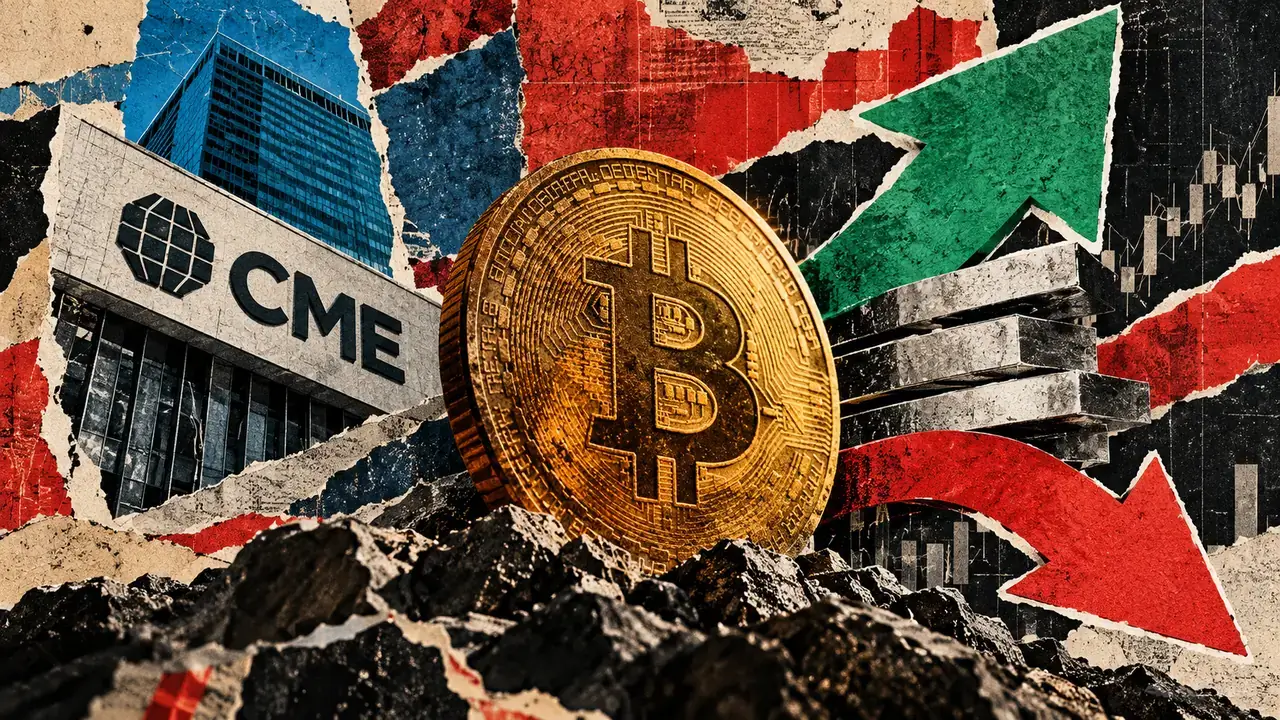
Leveraged funds reduced their net short position in CME bitcoin futures to the equivalent of 30,611 bitcoin as of October 13, down from 35,903 a week earlier. The 5,292-bitcoin change occurred while the underlying asset fell, a combination consistent with some bearish traders taking profits or reducing exposure.
The details weaken a simple bullish interpretation. Outright short positions fell by 6,437 bitcoin, but outright longs also declined by 1,145. Leveraged funds still held more than twice as much outright short exposure as long exposure. The market became less bearish at the margin without turning net bullish.
Spread positions rose by 2,719 bitcoin per leg to about 8,434, an increase of nearly 48%. Those trades often pair long and short contracts with different maturities, seeking changes in the futures curve rather than a directional price move. Their growth lifted gross exposure even as outright bets and combined open interest contracted.
CFTC positioning is also delayed. The October 13 snapshot does not include bitcoin's subsequent fall below $80,000 and rebound toward $82,000. It cannot establish whether funds continued covering shorts or rebuilt them after inflation data and higher bond yields pressured risk assets.
The next report, covering positions through October 20, should be read alongside open interest and the split between outright and spread trades. Fewer net shorts can support price if positions are closed aggressively, but this week's data mainly shows traders reducing directional risk in a volatile market.
Kraken's Unified Wallet Makes Futures Losses a Broader Account Risk
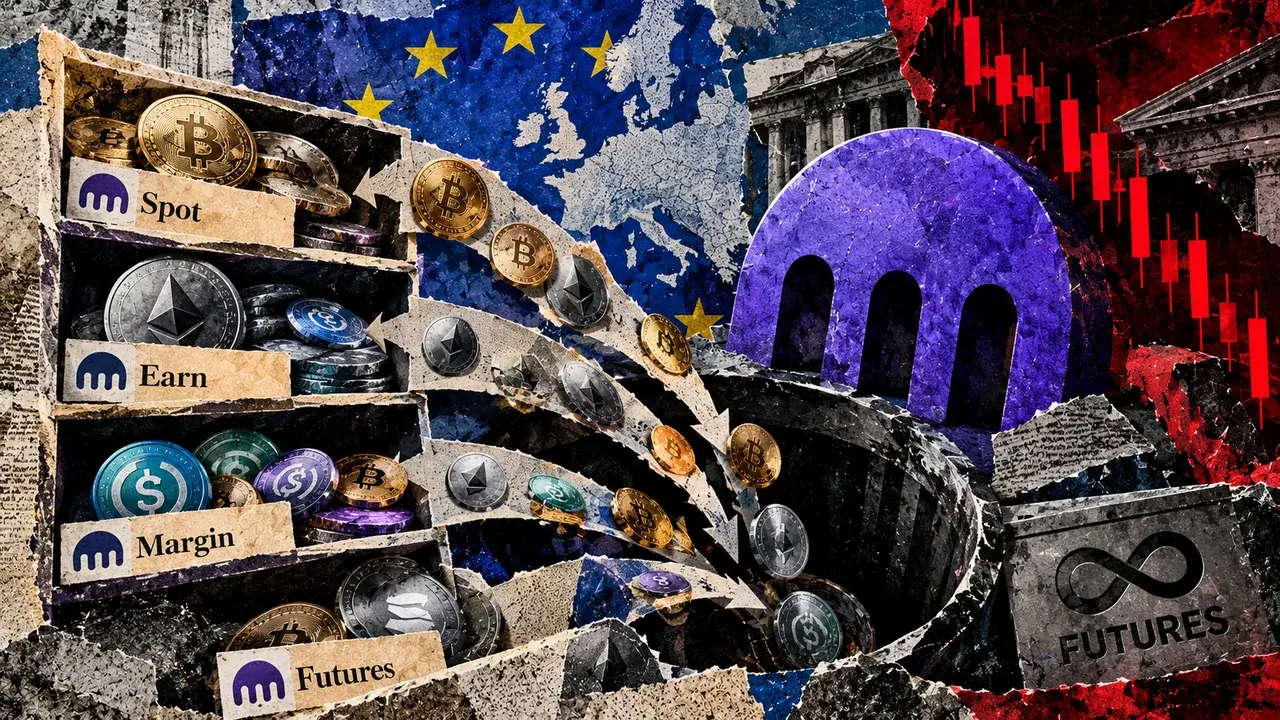
Kraken has opened its Unified Wallet to eligible clients in the European Economic Area, allowing spot, margin, qualifying Earn and futures balances to support positions from one pool. Users must opt in, but once they do, the default cross-margin setting can expose much more than the amount they intended to trade in futures.
Under cross margin, losses are calculated against the eligible account pool. Bitcoin, ether, dollars, euros and other approved assets can support positions at asset-specific collateral ratios. That improves capital efficiency because gains and unused balances in one part of the account can prevent liquidation elsewhere.
The same mechanism expands the loss boundary. A losing futures position can consume collateral that was originally held for spot investing or in a qualifying Earn balance. Kraken's documentation says the full eligible account value, including unrealized gains, can be used in cross-margin mode. Regional haircuts and product exclusions still apply.
Kraken also offers isolated margin for eligible linear futures, limiting a position to its allocated collateral. That is the more important control for a user who wants trading risk separated from long-term holdings. Switching back to separate wallets requires all derivatives positions and active orders to be closed first.
Unified collateral is useful infrastructure, not a free reduction in risk. European clients should decide whether the operational convenience is worth linking assets that previously had separate loss paths.
Latest comments