
Visa and Mastercard Ask the Court to Finalize Swipe-Fee Rules
Visa and Mastercard are seeking final approval for a merchant settlement that cuts average credit interchange rates by 10 basis points for five years and changes card-acceptance rules.
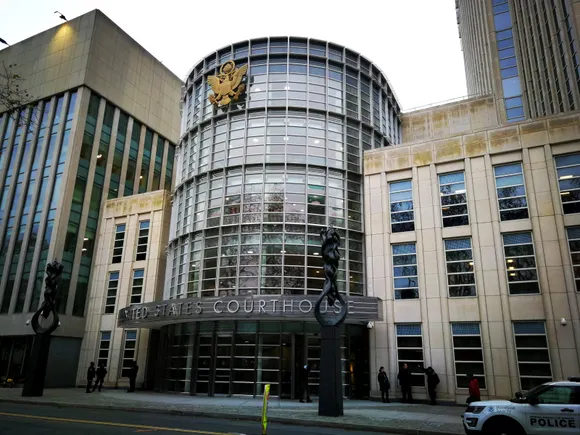
Visa and Mastercard are asking a federal court to give final approval to a settlement that would change U.S. credit-card interchange fees and merchant acceptance rules. A fairness hearing is scheduled for November 16, 2026, so the agreement remains proposed rather than final.
The settlement would reduce the combined average effective credit interchange rate by 10 basis points for five years. One basis point is one-hundredth of a percentage point, so the reduction equals 0.10 percentage point. Standard consumer credit-card rates would also be capped at 1.25% for eight years, subject to the agreement's detailed definitions and exceptions.
Merchants would gain more flexibility to reject higher-cost premium or commercial cards and to use surcharges or discounts under revised rules. These changes could strengthen merchants' ability to steer customers toward lower-cost payment methods, though consumer behavior and state laws will influence the result.
The court granted preliminary approval in June. Some large merchants and trade groups have objected, arguing that the relief is insufficient. An appeal related to enforcement litigation also shows that approval may not end every dispute.
For Visa and Mastercard, the direct rate reduction is manageable relative to the scale of their networks, but merchant steering can affect mix and economics over time. The networks do not keep the entire interchange fee because much of it goes to issuing banks. Investors should therefore avoid treating the headline fee pool as network revenue.
The November hearing is the next decision point. Final approval would move the rules toward implementation, while objections or further appeals could delay or reshape them. Until the judge rules, the correct description is a preliminarily approved settlement, not a completed regulatory reset.
Latest comments