
Lowe’s Dividend Has Room to Grow, but Debt May Slow the Pace
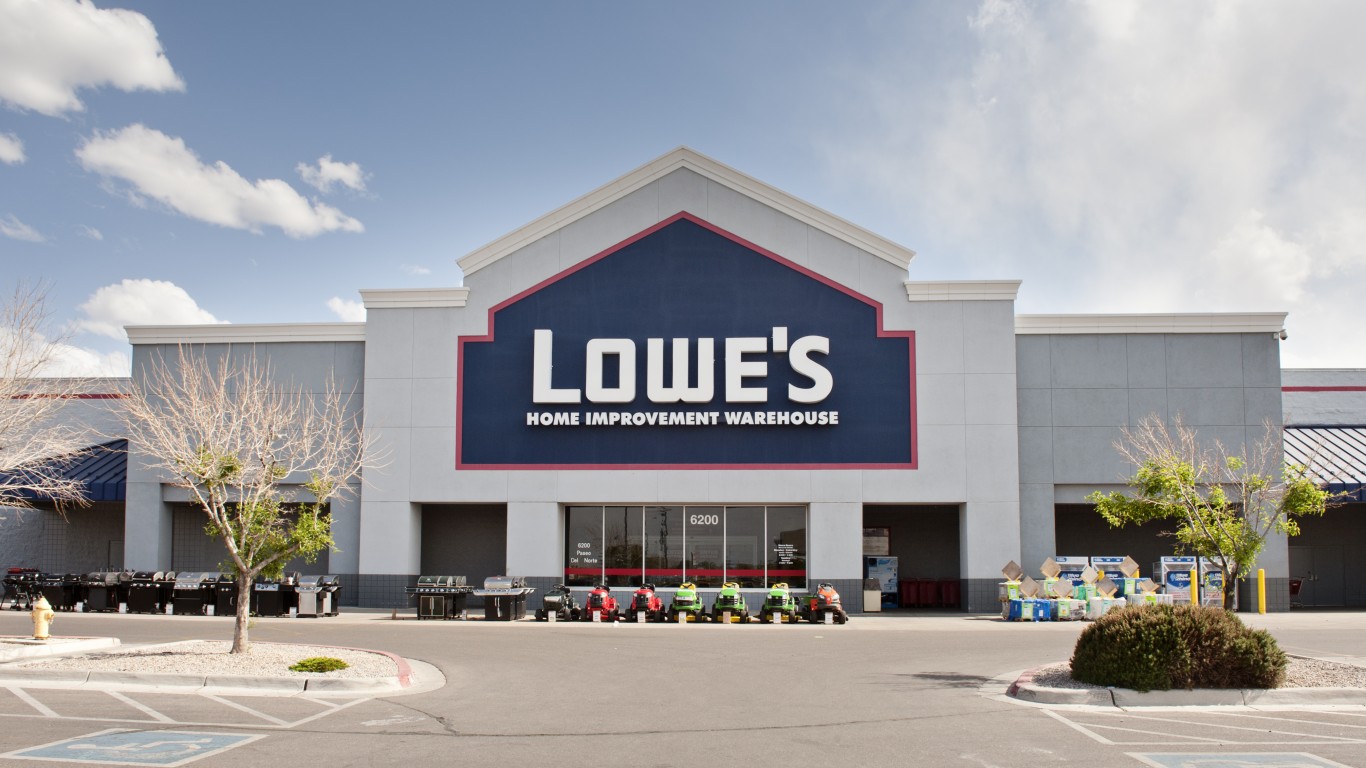
Lowe’s used about one-third of fiscal 2025 free cash flow for dividends, leaving a strong cushion. Housing weakness and acquisition leverage argue for smaller increases than investors saw earlier in the decade.
Lowe’s raised its quarterly dividend to $1.25 in May, a 4.2% increase and more than double the $0.60 paid in early 2021. The growth streak remains intact, but the company’s own cash and leverage figures suggest that future increases may be more restrained.
Fiscal 2025 operating cash flow was $9.864 billion and capital expenditure was $2.213 billion, leaving approximately $7.65 billion of free cash flow. Lowe’s paid $2.636 billion in dividends, or about 34% of that amount. The forward annual dividend of $5 per share also equals roughly 41% of management’s $12.25 adjusted earnings-per-share guidance cited in the original report.
That coverage is a meaningful cushion. Lowe’s generated $3.1 billion of free cash flow in the second quarter alone and paid $673 million of dividends. Cash generation is seasonal, however. A single quarter can produce much less free cash than the annual average, so the full-year trend matters more than any one payment period.
The pressure comes from housing and capital allocation. Lowe’s reported only 0.2% comparable-sales growth in the second quarter, while comparable transactions fell 2.1%. Management said discretionary do-it-yourself demand remained under pressure. The company is also increasing its exposure to professional customers through acquisitions whose businesses depend on residential construction.
Acquisition financing changes the order of priorities. The original report placed net interest expense near $1.6 billion for the year and adjusted debt to EBITDA at 3.0 times, with management targeting 2.75 times by mid-2027. Reducing leverage competes with dividend growth for cash, even when the current payout is well covered.
Lowe’s official dividend announcement confirms the increase to $1.25, while its second-quarter release provides the operating context. The company has already reduced the scale of buybacks compared with earlier years, which puts the dividend ahead of repurchases in the cash-allocation queue.
The likely outcome is continued growth at a slower rate. A low- to mid-single-digit increase would preserve the company’s dividend record while allowing debt reduction and investment in the professional business. Faster raises would be harder to justify without stronger comparable sales and housing activity.
Investors should watch free cash flow after capital spending, net leverage and interest expense. The dividend is not the balance sheet’s weak point today, but the pace of increases will reveal how management ranks shareholder returns against debt repair.
Latest comments