
Domino's Profit Rose, but Smaller Orders Exposed a Demand Problem
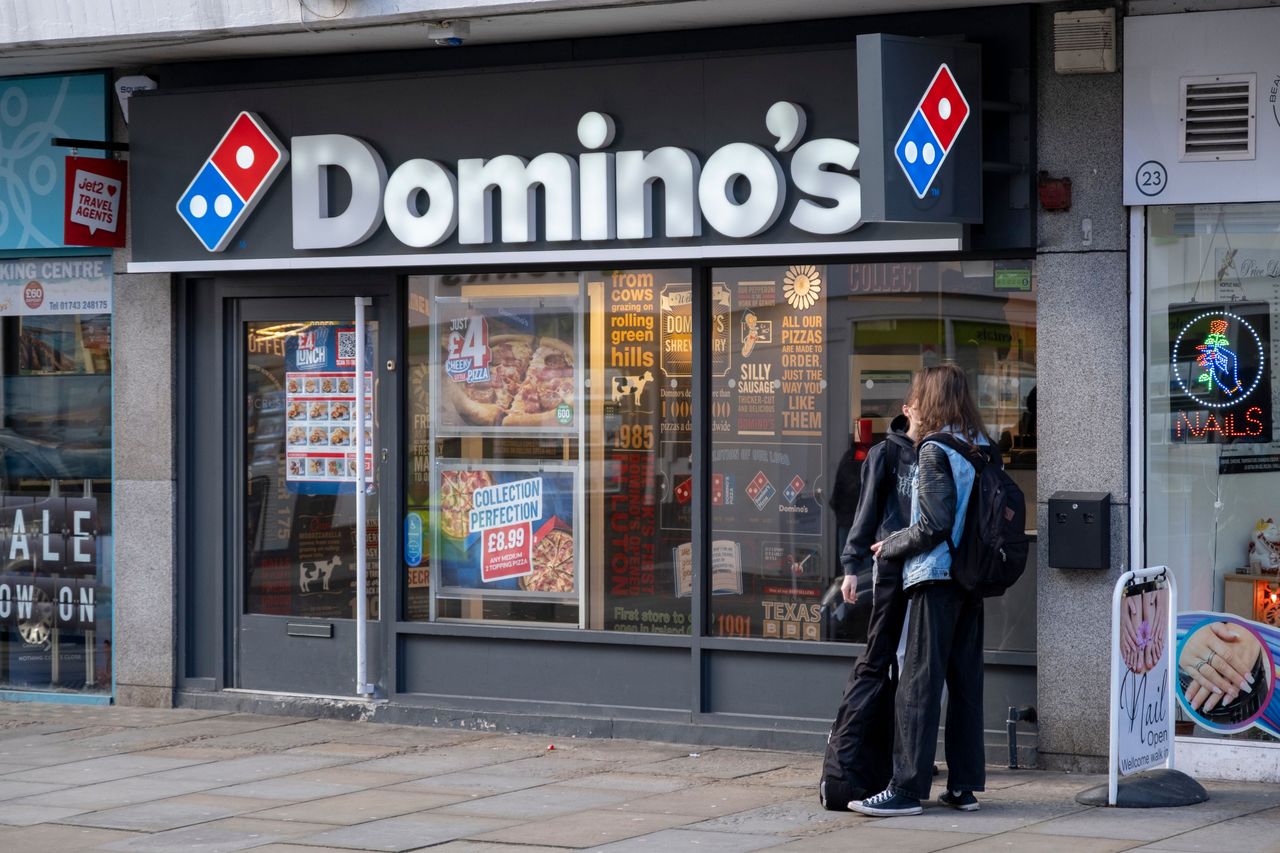
Domino's beat earnings expectations in the third quarter, yet U.S. same-store sales slowed to 0.3% as customers ordered fewer items. Traffic held up, but franchisee economics remain the key constraint.
Domino's third-quarter profit was stronger than expected, but the composition of sales explains why the result did not settle the growth debate. Revenue rose to $1.19 billion from $1.15 billion, diluted earnings reached $4.60 a share versus the $4.08 estimate cited by Stocktwits, and net income increased to $152.2 million.
The weak point was demand per transaction. U.S. same-store sales grew only 0.3%, down from 5.2% in the comparable period, while international same-store sales increased 0.2%. Global retail sales rose 3.2%, roughly half the 6.3% pace cited for the prior period. Management said customer traffic was holding up, but the number of items in each order was under pressure.
That distinction matters. Promotions and value offers can keep people ordering pizza, yet smaller baskets reduce the sales captured from each visit. Franchisees absorb store-level labor, rent and food costs, so maintaining traffic through discounts is helpful only if unit economics remain attractive. Domino's corporate profitability also depends on franchisee sales because 99% of stores are independently owned.
The quarter still showed operating discipline. Company-owned store margins were 20.4%, and higher profit indicates that cost control and the franchised model can protect earnings even when comparable sales slow. Domino's maintained a plan for 125 to 150 net new U.S. stores in 2026 and guided U.S. comparable sales toward the low end of a low-single-digit range, with international results around flat.
Investors should separate the earnings beat from the health of the system. A few quarters of stable traffic, improving order size and acceptable franchisee cash returns would support continued unit growth. If smaller baskets persist while costs rise, operators may become less willing or able to open stores, turning a modest sales slowdown into a longer-term capacity problem.
Latest comments