
AI Hardware Stocks Slide as Investors Question Who Funds the Buildout
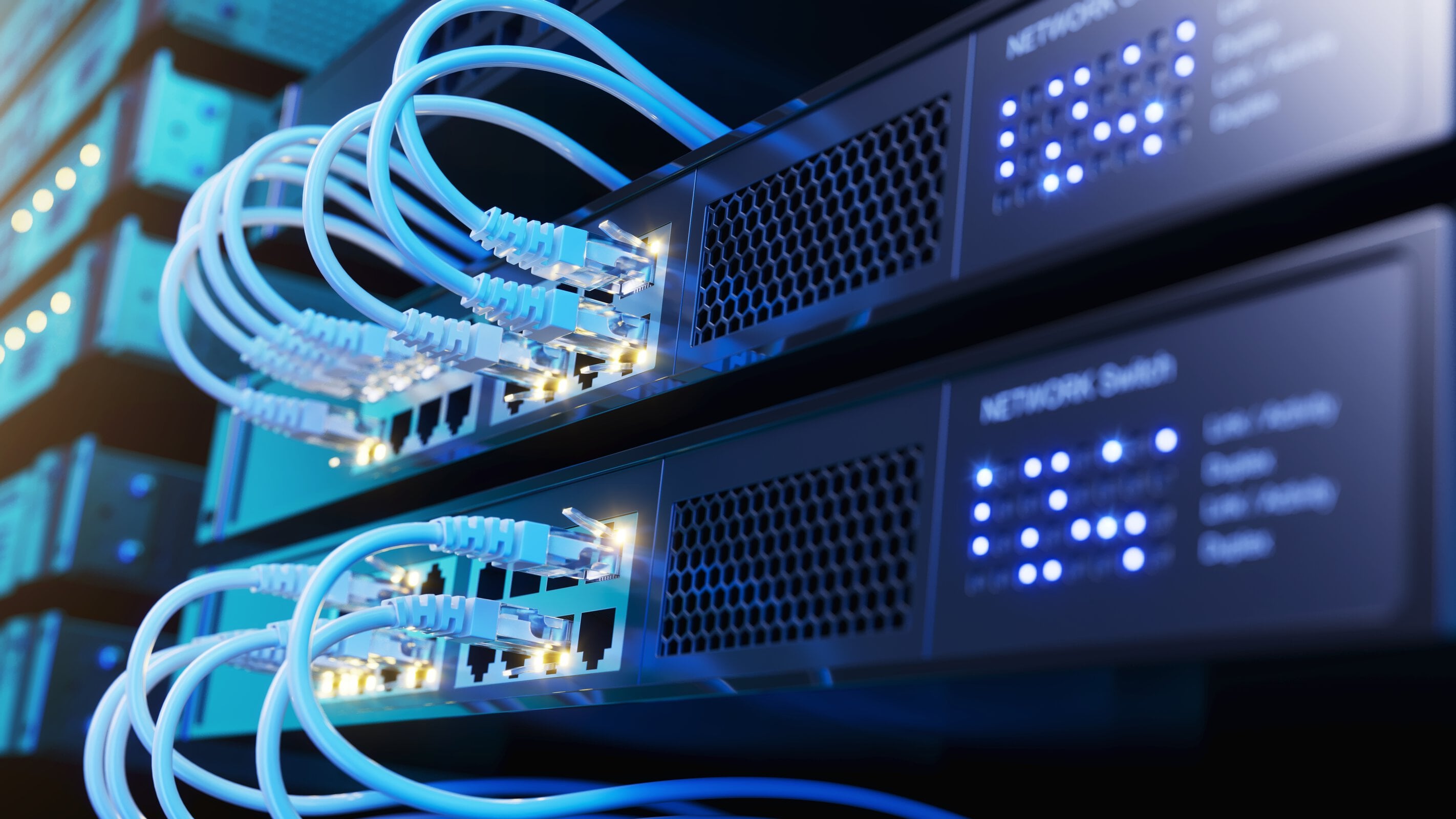
HPE, Super Micro and Dell fell as financing concerns hit AI hardware suppliers, even though HPE's latest quarter showed strong Cloud and AI growth and sharply higher server revenue.
Hewlett Packard Enterprise, Super Micro Computer and Dell sold off together as investors questioned how customers will finance the next wave of artificial intelligence infrastructure. The decline was broad enough to signal a change in risk appetite, but it did not erase the suppliers' recent operating growth.
HPE fell about 5%, Super Micro dropped roughly 7% and Dell declined around 3% in the reported session. The pressure followed an analyst downgrade of HPE and Dell and a wider debate over whether enterprise spending, rather than hyperscaler construction, can sustain the hardware cycle.
HPE's latest official results complicate the bearish argument. In its fiscal third quarter of 2026, the company reported Cloud and AI revenue of $9.0 billion, up 25.4% from a year earlier, with a 17.0% segment operating margin. Server revenue reached $6.8 billion, up 35.3%. Those figures show real demand and a meaningful profit contribution, not merely an announced pipeline.
The concern is what produced that growth and how durable it is. Hardware revenue can rise because customers buy more systems, because components such as memory become more expensive, or because product mix shifts. Those paths have different implications for unit demand and margins. AI servers also require large upfront budgets, so higher borrowing costs or tighter credit can delay orders even when long-term computing demand remains intact.
The three companies have different exposure. Super Micro is more directly tied to AI-optimized server deployments. Dell combines enterprise infrastructure with a large personal-computer business. HPE spans servers, storage, networking and GreenLake services. A synchronized selloff therefore says more about the market's financing assumptions than about identical company fundamentals.
Investors should compare order growth, backlog conversion, gross margin and customer concentration across the suppliers. Revenue growth without cash conversion or with falling margins would support the market's concern. Continued profitable growth would suggest the selloff moved faster than operating evidence.
The central question is no longer whether AI infrastructure demand exists. It is whether customers, lenders and vendors can fund the buildout at returns that leave enough profit for each layer of the supply chain.
Latest comments