



Caterpillar’s Data Center Boom Is Real — but the Next Risk Is Capacity Arriving Before Demand
Caterpillar’s Power & Energy business is benefiting from exceptional data-center demand, with power-generation sales up 72% in Q2. The investor question is whether multi-year capacity expansion can keep earning attractive returns if orders normalize.
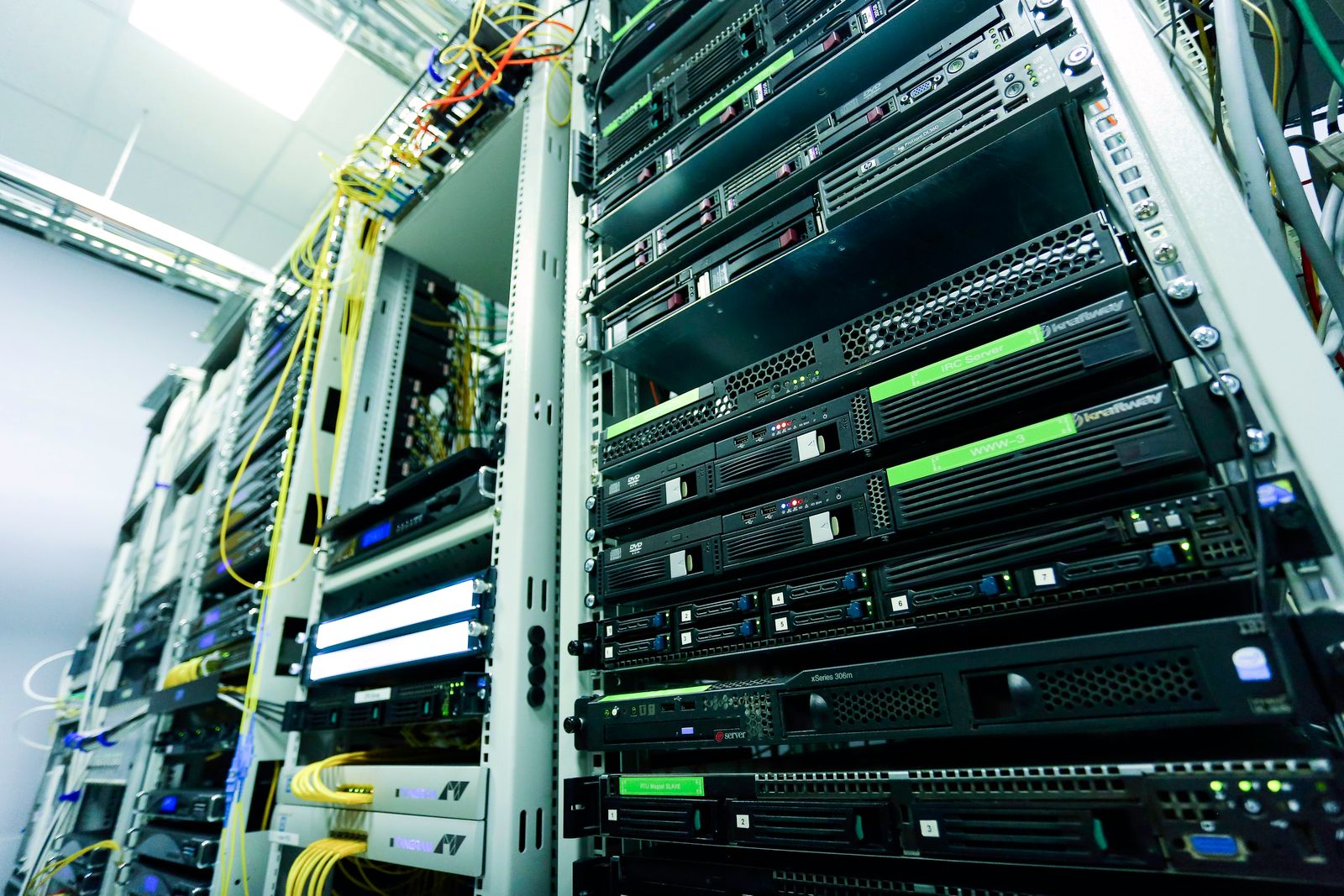
Caterpillar’s exposure to artificial-intelligence infrastructure has become large enough that investors can no longer treat data centers as a side theme. Power generation sales to users rose 72% in the second quarter of 2026, according to Caterpillar’s reported retail statistics, and the company’s Power & Energy segment has become one of the clearest beneficiaries of the global buildout in electricity-hungry AI infrastructure.
The immediate operating picture is strong. Caterpillar reported record second-quarter sales and revenues of $20.5 billion, up 24% from a year earlier, and management said order rates and backlog were growing across all three primary segments. The company’s own retail data showed Power & Energy sales up 33%, with the power-generation category leading the increase. That growth reflects demand for large gas turbines and generator sets used in data centers, along with continuing demand from oil and gas and other industrial customers.
The constraint today is supply, not orders. The source material indicates that lead times for some gas prime-power equipment extend into the second half of 2028, while certain customers are placing orders that reach toward 2030. Caterpillar is responding by expanding turbine capacity, converting facilities and reviving equipment platforms where customer commitments justify the investment.
That is a rational response to visible demand, but it changes the investment question. When a company is capacity-constrained, strong orders translate into a long backlog and pricing power. Once new factories and production lines come online, the risk shifts: investors must ask whether demand remains high enough to keep the additional capacity productive. A data-center slowdown would not necessarily hurt Caterpillar immediately because backlog delays the impact, but it could reduce the value of incremental capacity before the full aftermarket opportunity develops.
This timing issue matters because Caterpillar’s installed-base economics are attractive only after equipment has been operating long enough to generate service, maintenance and overhaul revenue. The source material notes that much of the aftermarket contribution from newly installed prime-power units is expected after 2030. If demand weakens before that point, the company could face a period in which capital has been committed but the service annuity has not yet matured.
There are meaningful offsets. Caterpillar’s power equipment is not tied exclusively to data centers. Management has also pointed to strong oil-and-gas demand, and the company’s broader backlog spans construction, resource industries and energy applications. That diversification reduces the risk that one end market determines the economics of every new production line.
Investors should also separate an end-market slowdown from an outright cancellation cycle. The source article says management had not seen customers backing away and that the company has been making certain capacity decisions only after receiving confirmed orders. That discipline reduces speculative-build risk. It does not eliminate execution risk, but it means Caterpillar is not simply betting billions on a forecast without customer visibility.
The next indicators to watch are order duration, cancellation behavior, backlog conversion and margin performance in Power & Energy. If customers continue booking capacity years ahead, the current expansion looks more like a response to a structural shortage than a late-cycle build. If lead times shorten rapidly while new orders weaken, that would be an early signal that supply is catching demand faster than expected.
Valuation should be treated separately from the operating story. Caterpillar’s strong stock performance means investors are already paying for a meaningful portion of the AI-infrastructure opportunity. The key risk is not that data-center demand disappears overnight; it is that demand grows more slowly than the production base investors now expect.
BTI’s bottom line: Caterpillar’s data-center power exposure is supported by real orders, record company sales and a still-tight supply environment. The more important question is what happens after new capacity arrives. For long-term holders, the best early warning signal will be whether customers keep committing to gas power equipment years in advance, not whether a single quarter of data-center spending slows.