


 Be The Investor Research
Who Owns IBIT’s Bitcoin, and What Investors Actually Hold
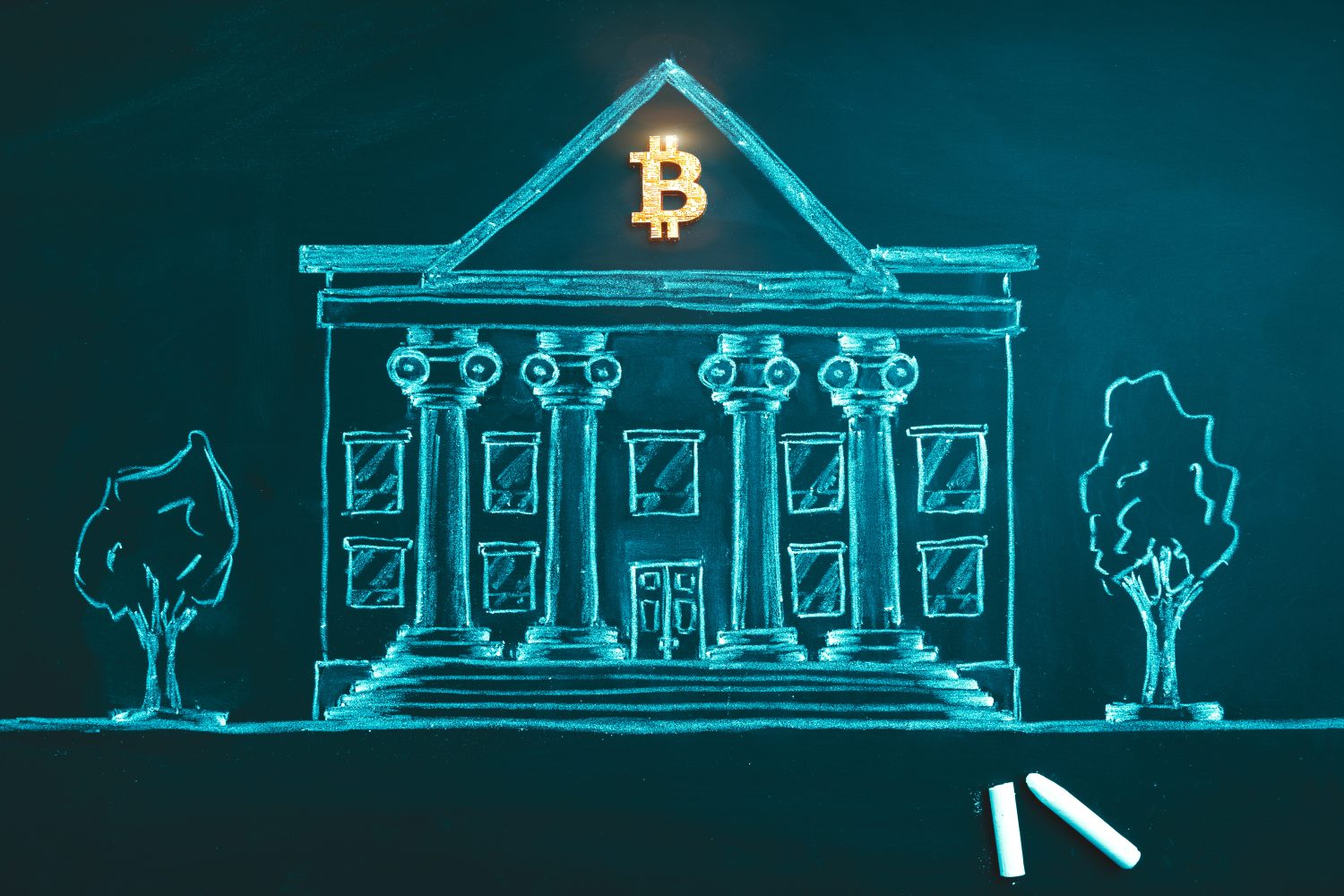
IBIT shareholders own beneficial interests in a trust, not specific bitcoin. Coinbase safeguards the assets, BlackRock sponsors the product, and only authorized participants create or redeem baskets.
Buying BlackRock’s iShares Bitcoin Trust ETF does not give an investor ownership of identifiable bitcoin or the right to withdraw coins. It gives the shareholder a beneficial interest in a Delaware statutory trust whose value follows the bitcoin held for the fund.
The legal structure matters. The trust owns the bitcoin, while iShares Delaware Trust Sponsor, an indirect BlackRock subsidiary, sponsors the product. Coinbase Custody Trust Company serves as bitcoin custodian under the prospectus, and Bank of New York Mellon handles cash custody. BlackRock’s product page also warns that IBIT is not registered under the Investment Company Act of 1940 and does not carry all the protections of a conventional mutual fund.
Ordinary shareholders trade IBIT shares for cash on Nasdaq. They cannot exchange individual shares for bitcoin or move the underlying coins to a personal wallet. Authorized participants, large financial firms approved by the trust, handle creation and redemption baskets that keep the share price close to the value of the fund’s holdings.
That process is also the link between ETF demand and the bitcoin market. When creations exceed redemptions, authorized participants deliver cash or bitcoin through the fund’s mechanism and the trust’s holdings can rise. Heavy redemptions can reverse the flow. The ownership structure itself does not create demand; net creations do.
The trade-off is control versus convenience. IBIT fits brokerage and retirement accounts and removes private-key management, but investors accept custody, sponsor and market-structure risks. A personal wallet provides direct control, yet losing its recovery phrase can make the asset permanently inaccessible.
Continue your BLK research
Related News

JPM Coin Goes Live on Ethereum for Institutional Dollar Transfers
JPMorgan made its dollar deposit token available to institutional clients on Ethereum after launching on Base. The move broadens bank-backed settlement but keeps access inside JPMorgan's permissioned client network.
USDT Lost Exchange Balances as Stablecoin Rivals Paid for Distribution
Nineteen selected exchanges and lenders cut USDT balances by $4.6 billion in the third quarter while adding rival tokens. Tether retained a much larger payment footprint, separating trading incentives from adoption.

Blur's Shutdown Shows How Far the NFT Trading Boom Has Fallen
Blur plans to close its website and stop new Blend loans on Nov. 12 after trading volume fell more than 99% from its early-2023 peak.
Interactive Brokers Adds Ether Staking to Its One-Account Model
Interactive Brokers now lets eligible clients stake Ether through Client Portal, extending its effort to place crypto trading, transfers and yield features beside traditional brokerage assets.
Standard Chartered Brings Direct Crypto Trading to UAE Wealth Clients
Standard Chartered is offering eligible professional investors in the UAE direct Bitcoin and Ether trading through existing bank accounts, with custody and settlement kept inside its system.
Mastercard Adds Pre-Settlement Risk Scoring for Stablecoin Payments
Mastercard’s Stablecoin Security product will score wallets and counterparties before settlement, targeting a compliance gap that becomes more important as tokenized payments reach mainstream institutions.
Tron’s $200 Million ATM Plan Trades Cash for Dilution Risk
Tron Inc. has opened a new route to fund its crypto treasury: an at-the-market, or ATM, stock offering of up to $200 million through Clear Street. The company says it expects to use most of the proceeds to buy TRX, the token associated with the Tron blockchain, while reserving flexibility for working capital and general corporate purposes.
An ATM program lets a company sell newly issued shares into the market over time rather than pricing one large offering at once. That can reduce execution pressure, but it does not remove dilution. The agreement permits a commission of up to 3% and does not require Tron to sell any shares. At the $1.22 illustrative share price cited in the filing summary, raising the full amount would require about 163.9 million shares before fees.
A larger treasury, and a larger share count
The financing would deepen an existing bet. Tron reported holdings of about 718.9 million TRX, valued near $237 million at the reference price used in the source report. The company also described an earlier program to buy $50,000 of TRX per day for 360 days, a planned $18 million commitment if completed.
The economics for shareholders depend on two variables moving in different directions. More TRX can increase the value of the balance sheet if the token appreciates. Issuing stock increases the number of claims on that balance sheet, especially if sales occur when the share price is depressed. Investors therefore need to track treasury value per diluted share, not only the headline quantity of tokens.
The ATM authorization is a funding option, not evidence that $200 million has already been raised or invested. Actual proceeds will depend on how much stock Tron sells, at what prices, and after commissions. The next useful disclosures are shares issued, average sale price, net proceeds and the number and carrying value of TRX acquired.
The central question is whether management can create more treasury value than it gives away through dilution and fees. Until those figures are reported, the program expands both Tron's purchasing capacity and the range of outcomes for common shareholders.
Aave's Proposed USAT Gateway Adds Permission Risk to the Return Trip

TokenLogic has proposed a permissioned GHO Stability Module on Avalanche that would let approved counterparties exchange waUSAT for GHO. The design could add institutional stablecoin liquidity to Aave, but it creates an important asymmetry: receiving and transferring GHO would not guarantee the ability to reverse the original swap.
Approval would be checked in both directions. If access were revoked after a counterparty deposited waUSAT and received GHO, the participant could still transfer GHO but could not use the module to recover waUSAT. The proposal says that restriction should be reflected in commercial agreements.
Even a successful reverse swap would return a receipt token rather than dollars. The holder would still need to withdraw USAT from Aave, subject to available liquidity and reserve conditions, and then meet Anchorage Digital Bank's requirements for issuer redemption. Each step has its own permission and operational risk.
The proposal separates 65 million GHO of reserve funding, a 25 million GHO module draw limit and a 20 million waUSAT exposure cap. Some contract addresses and pricing details remain unspecified, and the forum post still requires governance approval and an implementation proposal.
The plan may deepen GHO liquidity, but investors should treat it as a proposal rather than an operating product. The decisive questions are whether governance approves the module, whether final contracts preserve the described limits, and how counterparties are protected if access is revoked after entry.
Bitcoin Funds Cut Net Shorts, but the Data Shows Less Risk, Not a Bull Turn
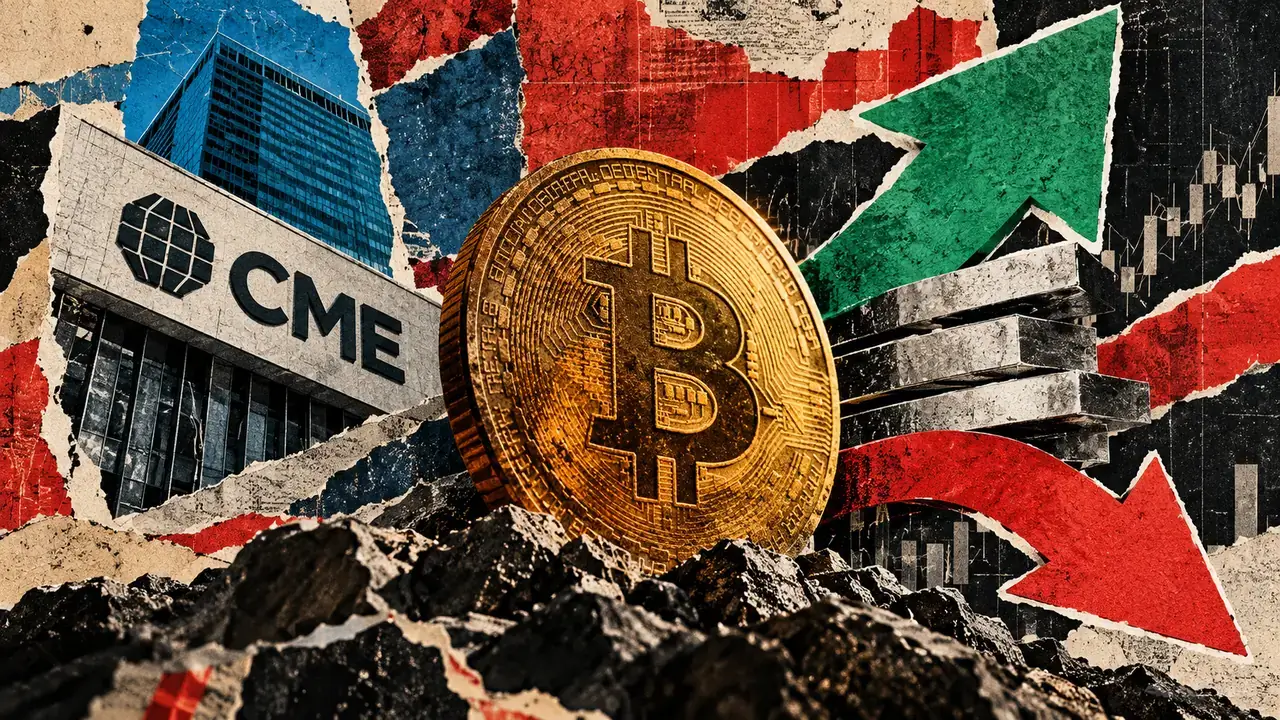
Leveraged funds reduced their net short position in CME bitcoin futures to the equivalent of 30,611 bitcoin as of October 13, down from 35,903 a week earlier. The 5,292-bitcoin change occurred while the underlying asset fell, a combination consistent with some bearish traders taking profits or reducing exposure.
The details weaken a simple bullish interpretation. Outright short positions fell by 6,437 bitcoin, but outright longs also declined by 1,145. Leveraged funds still held more than twice as much outright short exposure as long exposure. The market became less bearish at the margin without turning net bullish.
Spread positions rose by 2,719 bitcoin per leg to about 8,434, an increase of nearly 48%. Those trades often pair long and short contracts with different maturities, seeking changes in the futures curve rather than a directional price move. Their growth lifted gross exposure even as outright bets and combined open interest contracted.
CFTC positioning is also delayed. The October 13 snapshot does not include bitcoin's subsequent fall below $80,000 and rebound toward $82,000. It cannot establish whether funds continued covering shorts or rebuilt them after inflation data and higher bond yields pressured risk assets.
The next report, covering positions through October 20, should be read alongside open interest and the split between outright and spread trades. Fewer net shorts can support price if positions are closed aggressively, but this week's data mainly shows traders reducing directional risk in a volatile market.
Kraken's Unified Wallet Makes Futures Losses a Broader Account Risk
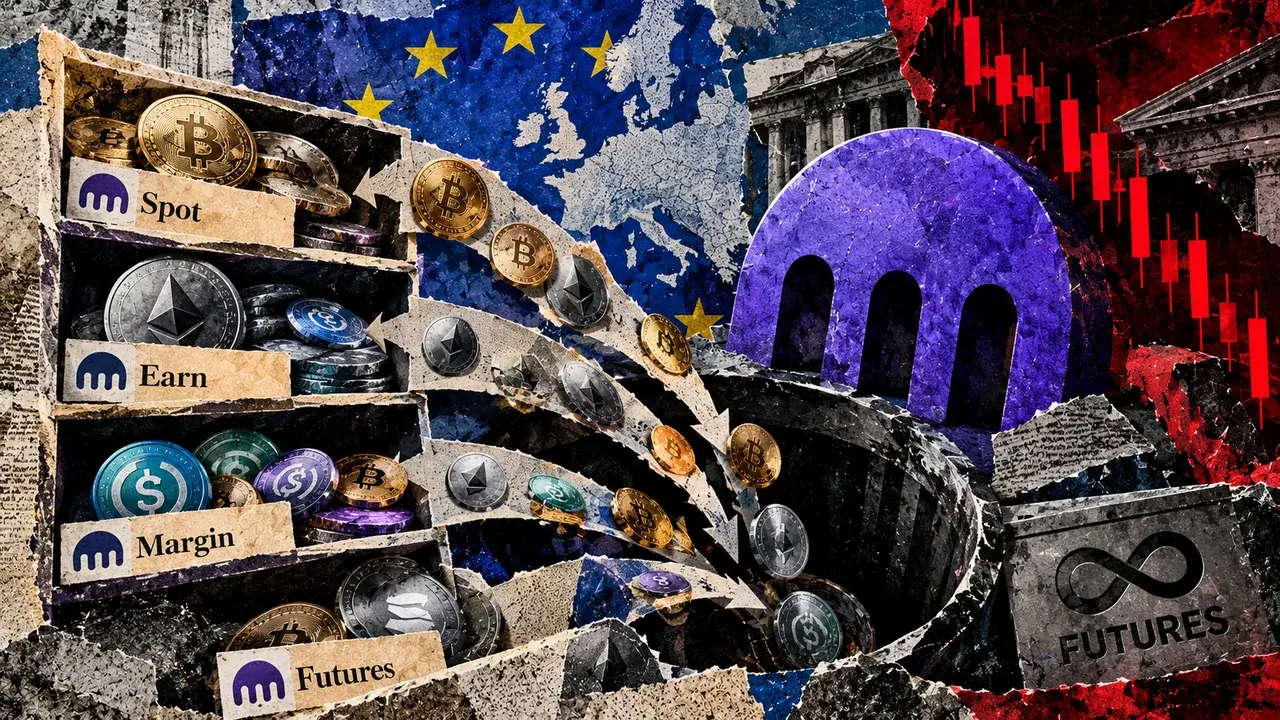
Kraken has opened its Unified Wallet to eligible clients in the European Economic Area, allowing spot, margin, qualifying Earn and futures balances to support positions from one pool. Users must opt in, but once they do, the default cross-margin setting can expose much more than the amount they intended to trade in futures.
Under cross margin, losses are calculated against the eligible account pool. Bitcoin, ether, dollars, euros and other approved assets can support positions at asset-specific collateral ratios. That improves capital efficiency because gains and unused balances in one part of the account can prevent liquidation elsewhere.
The same mechanism expands the loss boundary. A losing futures position can consume collateral that was originally held for spot investing or in a qualifying Earn balance. Kraken's documentation says the full eligible account value, including unrealized gains, can be used in cross-margin mode. Regional haircuts and product exclusions still apply.
Kraken also offers isolated margin for eligible linear futures, limiting a position to its allocated collateral. That is the more important control for a user who wants trading risk separated from long-term holdings. Switching back to separate wallets requires all derivatives positions and active orders to be closed first.
Unified collateral is useful infrastructure, not a free reduction in risk. European clients should decide whether the operational convenience is worth linking assets that previously had separate loss paths.
Cardano's New Language Plan Meets a Much Harder Adoption Test

Cardano founder Charles Hoskinson says he is working with Input Output Global developer Lucas Rosa on a new programming language built around intent-based transactions and cryptographic proofs. No technical specification, performance data or release date has been published, so the announcement is a development plan rather than a shipping product.
The project arrives as Cardano advances Ouroboros Leios, a scaling design intended to raise transaction throughput. Cardano's October development report said the Leios database had moved to the main code branch, while a public test network has been operating since June. Those milestones show engineering progress, but they do not establish a mainnet deployment date.
The commercial challenge is demand. CryptoSlate cited about $63 million of value locked in Cardano decentralized-finance applications and less than $1 million of daily decentralized-exchange volume on October 19. Solana's reported DeFi deposits and trading activity were many times larger. The comparison is imperfect because network designs and data definitions differ, but the gap is too large to treat throughput as Cardano's only constraint.
Better developer tools can lower the cost of building applications. They cannot create liquidity, users or sustainable revenue by themselves. Cardano must show that new capacity and proof features attract products people use, rather than only improving a network with limited financial activity.
Investors should separate three milestones: a published language specification, a tested Leios implementation and measurable growth in applications, liquidity and fees. The first two are engineering achievements. The third is the evidence that would connect them to economic value.
Latest comments