
Carnival's Rally Now Depends on Turning Bookings Into Pricing
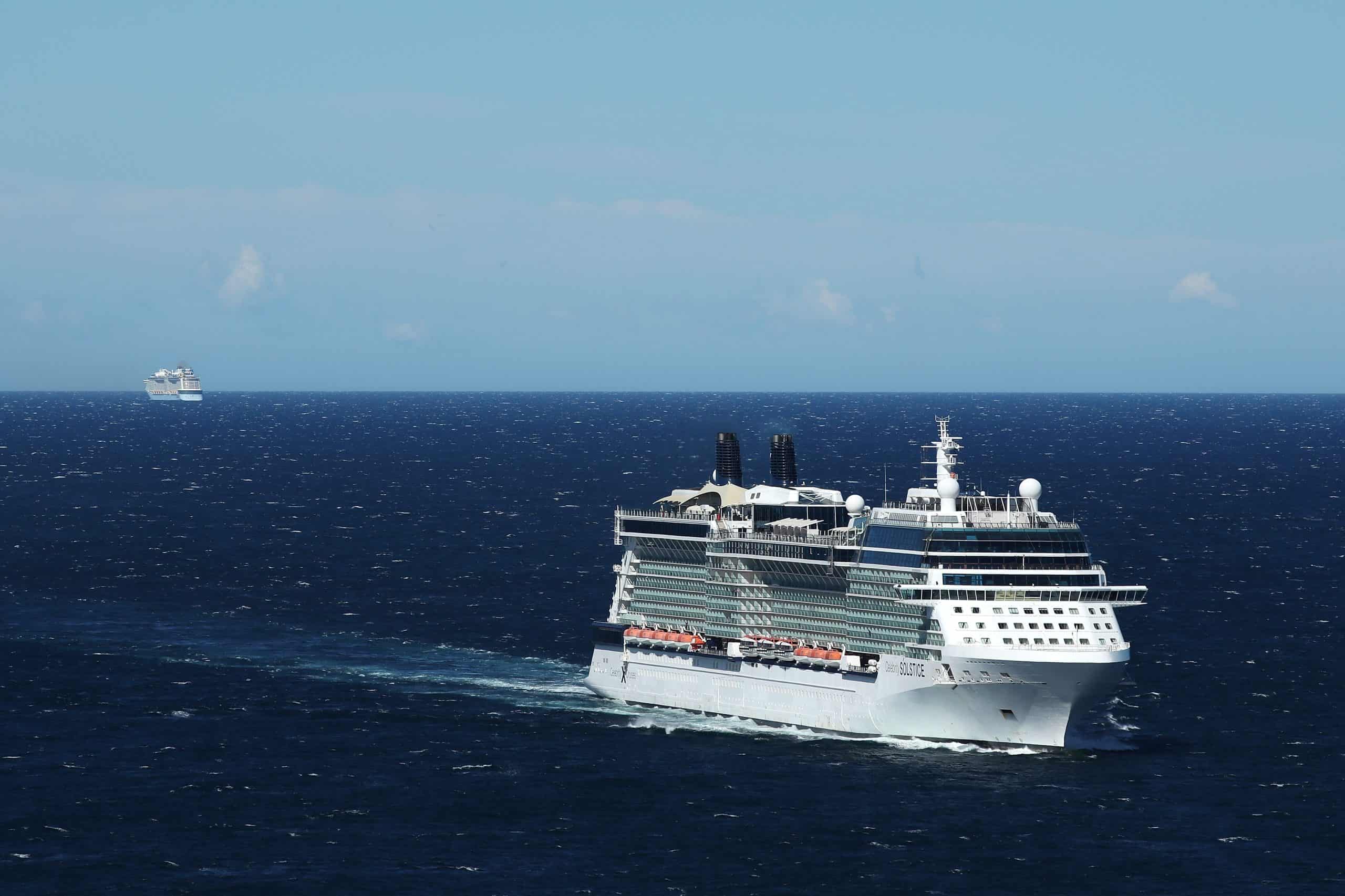
Carnival outpaced cruise peers after record 2027 bookings, but the stock's next leg depends on realized ticket pricing, onboard spending and continued debt reduction rather than booking volume alone.
Carnival shares gained about 17% over the month through October 15, outperforming Royal Caribbean, Norwegian Cruise Line and the broader market. The rally followed third-quarter results that showed record booking indicators for 2027.
Customer deposits reached a third-quarter record of $7.6 billion, up about $500 million from a year earlier even though capacity growth over the next 12 months was flat. Carnival also said both booked occupancy and pricing for 2027 were at record levels. Those measures provide useful forward visibility because cruise customers reserve trips and pay deposits well before sailing.
Bookings are not the final result. Revenue depends on customers completing trips, ticket prices holding and onboard spending meeting expectations. A heavily booked schedule can still produce weaker economics if discounts are needed or costs rise faster than yields.
Carnival's financial position has improved. The company used cash to redeem $500 million of 7% notes during the third quarter, removing relatively expensive debt. That reduces interest expense, but leverage remains a central part of the equity story after the pandemic-era balance-sheet expansion.
The share-price gain is therefore understandable but not self-validating. Investors should watch 2027 net yields, cancellation patterns, fuel costs and further debt retirement. If record bookings translate into higher realized pricing with disciplined costs, the rebound has fundamental support. If pricing softens, the stock's recent outperformance will have pulled forward more optimism than the income statement can justify.
Latest comments