
Larry Fink’s Data-Center Recession Warning Is a Concentration Signal
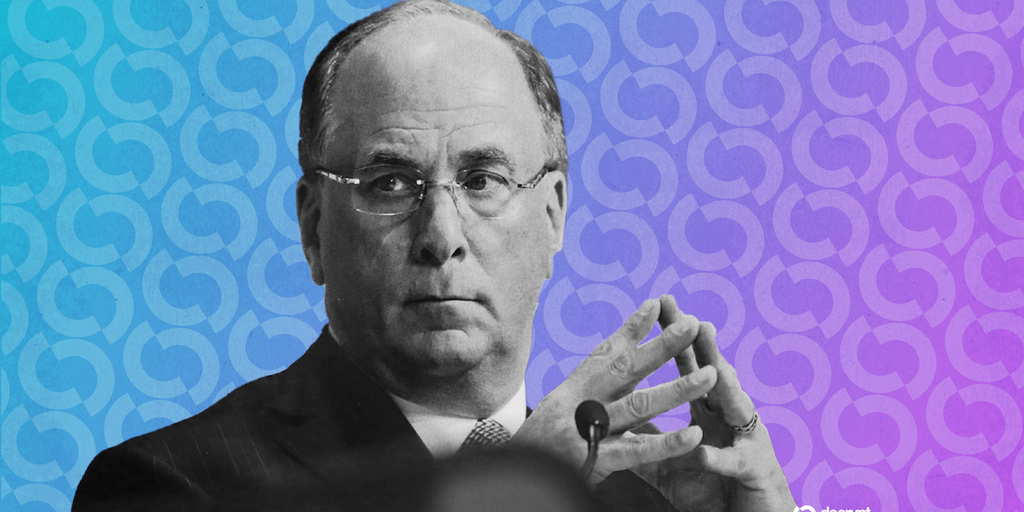
BlackRock CEO Larry Fink says a halt to U.S. data-center construction could trigger recession. The warning highlights how much current growth depends on one capital-spending cycle, not a settled forecast.
BlackRock chief executive Larry Fink warned that a broad U.S. moratorium on data-center construction could push the economy into recession because so much recent growth depends on artificial-intelligence capital spending. The statement is striking, but it is an argument about economic concentration rather than a demonstrated recession forecast.
Data centers create demand for construction, electrical equipment, power generation, cooling and semiconductors. When spending rises quickly across that supply chain, it can make a visible contribution to business investment and employment. A sudden stop would remove that contribution and could also weaken the asset values and financing tied to new projects.
Fink’s warning came after BlackRock reported third-quarter results. The asset manager benefits from rising markets, infrastructure investment and private-capital demand, giving it a close view of how investors are financing the buildout. Its official earnings materials provide context for the firm’s scale and fundraising, but they do not prove that a data-center pause alone would cause a national recession.
The original report cited Wall Street estimates of more than $1 trillion in AI capital expenditure during 2027 and over $5 trillion cumulatively through 2030. Those are forecasts, not committed spending. They are highly sensitive to chip availability, power connections, customer demand and the useful life of new computing equipment.
Public opposition is also real. Communities are challenging projects over electricity rates, water use, grid reliability and land. Fink rejected much of the backlash as misinformation and emphasized the jobs and energy investment associated with construction. That response understates an important point: even economically productive projects can impose local costs that require pricing, infrastructure and regulatory solutions.
For investors, the warning cuts both ways. Continued construction supports suppliers, utilities and private infrastructure funds. Dependence on that construction also raises the risk that a slowdown in one spending category reverberates through growth expectations and financial markets.
BlackRock itself is not a pure data-center stock. The direct signal for its shares comes through assets under management, investment performance, net flows and private-market fundraising. Fink’s comment is more useful as a macro lens than as a near-term earnings catalyst.
The evidence does not establish that any moratorium would automatically create a recession. It does show that AI infrastructure has become large enough for a major asset manager to treat its interruption as a macroeconomic risk. That is a reason to scrutinize both the benefits of the buildout and the economy’s reliance on it.
Latest comments