
Space Stocks Split as Launch Delays and New Contracts Reset the Race
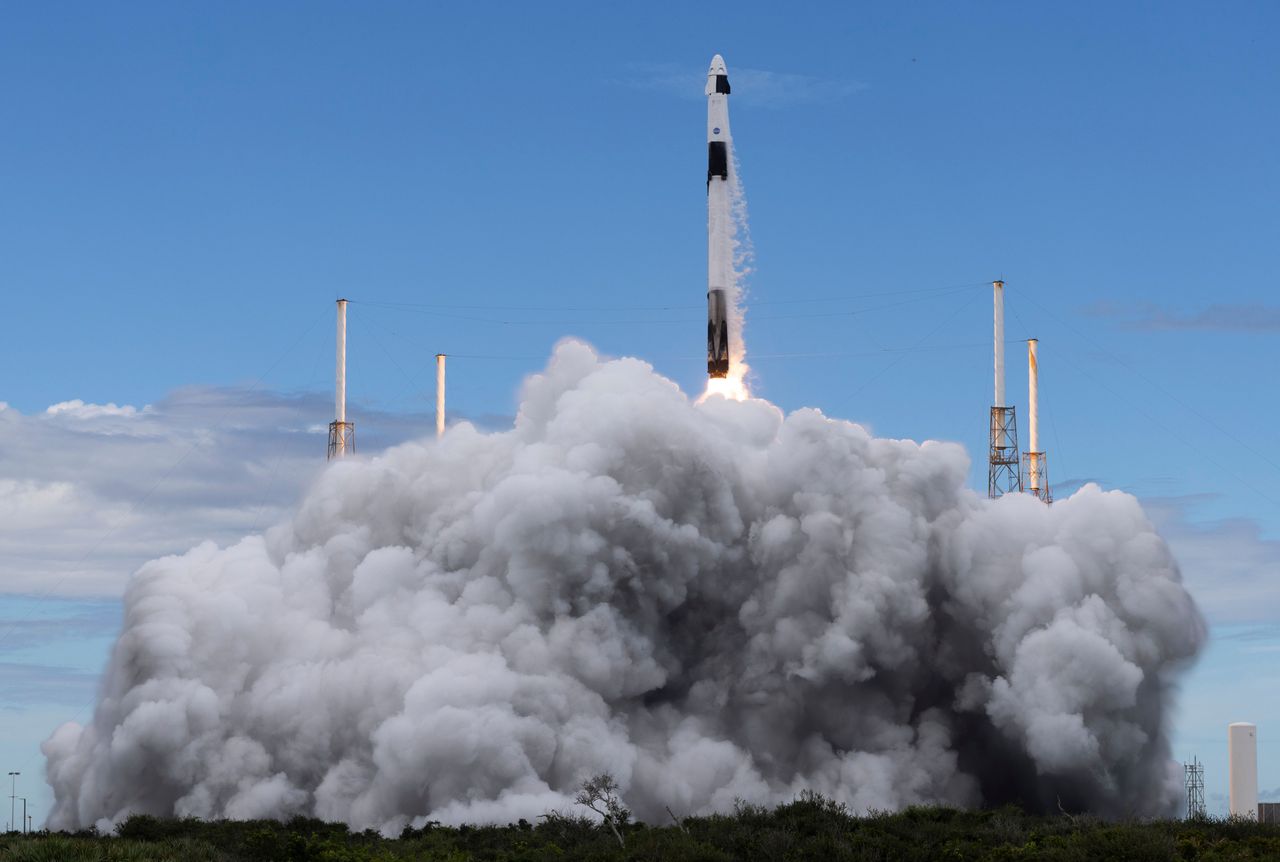
Rocket Lab's Neutron delay and AST SpaceMobile's competitive concerns drove a sharp space-stock selloff, while Redwire's new defense orders provided a firmer operating signal than weekly price moves alone.
A broad selloff in publicly traded space companies masked very different operating developments. Rocket Lab delayed Neutron, AST SpaceMobile faced renewed launch and competition questions, while Redwire announced fresh defense work. The dispersion is more useful to investors than the weekly share-price scoreboard.
The source report said Rocket Lab and Firefly fell 19% over the week, AST SpaceMobile declined 13%, SpaceX lost 9% and Redwire dropped about 7%. Those market moves are time-sensitive observations from October 16, not evidence that each company's long-term value changed by the same amount.
Rocket Lab carries the clearest schedule risk
Rocket Lab moved Neutron's first launch into 2027 after finding voids in a carbon-composite propellant dome during manufacturing. The company said it changed the production process and is building a replacement. Its official update makes the next milestone clear: cryogenic and hydrostatic testing must be completed before a new launch date becomes credible.
Neutron is central to Rocket Lab's move into larger missions, so each delay extends development spending and postpones the point at which the program can contribute revenue. Existing Electron launches and the company's space-systems business provide operating support, but they do not eliminate Neutron execution risk.
AST's competition debate is different
AST SpaceMobile's shares were pressured after Piper Sandler cut its rating and target, citing uncertainty around satellite deployment and competition from SpaceX. Yet the operating question is not simply which brand wins. AST relies on carrier partners and third-party launches, while SpaceX controls launch capacity and is expanding direct-to-device service. That creates both supplier and competitive exposure.
AST's official events page warns that launch timing depends on provider readiness, weather and other factors outside its control. A firm date and successful deployment for the next BlueBird mission would provide more decision-useful evidence than analyst target changes alone.
Redwire offered the week's clearest counterexample. The company announced about $13.8 million in additional Stalker drone orders for the National Guard and prepared another pair of solar arrays for the International Space Station. Those orders are small relative to the ambitions priced into many space stocks, but they show tangible customer demand.
Investors should separate program milestones from sector sentiment. Neutron test completion, BlueBird launch cadence and Redwire backlog conversion will determine whether this week's divergence was an early operating signal or merely another volatile rotation.
Latest comments