
Rocket Lab's Neutron Delay Pushes Its Biggest Cash-Flow Test Into 2027
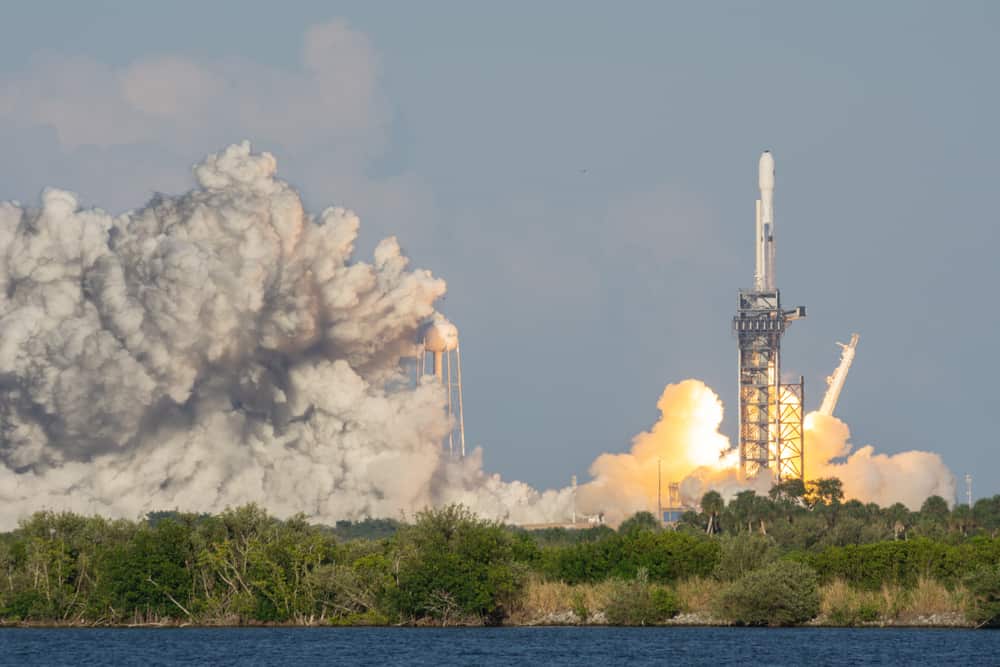
Rocket Lab moved Neutron's first flight into 2027 after finding manufacturing voids in a composite propellant dome. The delay extends spending and makes first-quarter testing the next critical milestone.
Rocket Lab's Neutron program has moved from an ambitious 2026 launch target to a 2027 test of manufacturing discipline. The company identified voids inside the carbon-composite layers of a first-stage propellant dome, changed the production process and began building a replacement.
Management said the flaw reduced structural margin but did not necessarily imply an in-flight failure. That distinction matters technically, yet investors still face the same financial result: cryogenic and hydrostatic testing will not finish until the first quarter of 2027, and the inaugural launch must wait.
Why one program drives the reaction
Rocket Lab already generates revenue from Electron launches, HASTE missions and space systems. Neutron, however, is intended to move the company into larger and more valuable missions. A delay therefore pushes out both prospective launch revenue and the point at which investors can judge whether development spending will convert into a scalable service.
The company's second-quarter update reported record revenue and a $2.36 billion backlog, giving Rocket Lab a larger operating base than a pre-revenue launch venture. It also said customers had booked Neutron missions, including a dedicated launch for Kepler Communications. Those contracts validate demand, but they do not remove the engineering and schedule risk.
Testing is now the decision point
The first quarter testing campaign should answer whether the revised manufacturing process produced a dome with sufficient margin. A clean test would support management's claim that the defect has been corrected. Another failure or a delayed campaign would raise the probability of further schedule slippage and additional cash use.
The source article linked future cash-flow improvement to Neutron's first successful test launch. Investors should treat that relationship as a management expectation rather than a guaranteed inflection point. Even after a debut, a new rocket must demonstrate reliability and launch cadence before it can support attractive economics.
Rocket Lab's 2027 timeline is not a cancellation, and its existing businesses continue to operate. Still, the delay removes the near-term milestone that supported part of the growth narrative. The next rerating should depend on verified test completion and a credible new launch window, not on a rebound from the initial selloff.
Latest comments