
Applied Materials Opens a $5 Billion Lab to Shorten Chip Development
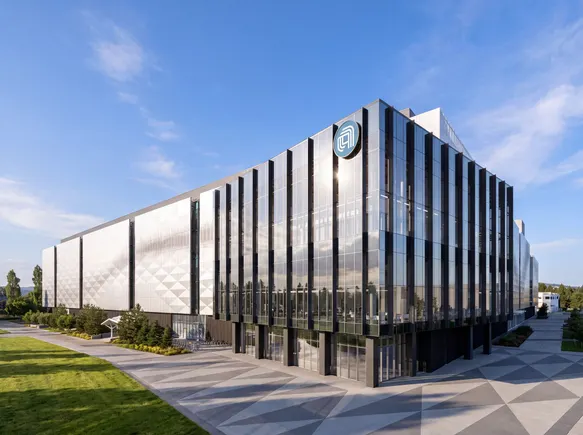
Applied Materials opened its 600,000-square-foot EPIC Center, bringing chipmakers, equipment partners and universities into one R&D facility. The investment aims to shorten the path from materials research to volume production.
Applied Materials has opened a $5 billion research center built around a simple industry problem: advanced chip technologies are becoming too interconnected for companies to develop each step in isolation.
The Equipment and Process Innovation and Commercialization Center, known as EPIC, covers 600,000 square feet at Applied's Sunnyvale campus and contains nearly four acres of cleanroom space. The company calls it the world's largest facility dedicated to collaborative semiconductor equipment and process technology research.
A different development model
Traditional chip development often moves from materials research to equipment design, process integration and pilot production through separate organizations. Each handoff can add time and create incompatibilities. EPIC places researchers, equipment engineers and chipmakers in the same facility so they can test materials and processes together before high-volume manufacturing.
The partner list gives the model weight. Applied named TSMC, Intel, SK Hynix, Micron, Samsung, Broadcom and Advantest, alongside universities including Stanford, the University of California at Berkeley and Arizona State. Participation does not guarantee commercial success, but it gives Applied earlier contact with the technical problems its customers are trying to solve.
Why the investment matters to shareholders
Applied's business benefits when new transistor, interconnect, memory and packaging technologies require additional materials-engineering steps. AI systems increase that complexity through leading-edge logic, high-bandwidth memory and advanced packaging. A shared development center could help Applied win tool positions earlier and make customer switching harder.
The $5 billion figure refers to expected capital investment as customer projects ramp, not a single-period expense. Investors should watch depreciation, operating costs and returns over several years rather than treating the headline amount as an immediate charge.
The risk is that collaborative research takes longer to produce saleable equipment than management expects, or that customers limit what they share with a major supplier. Semiconductor spending is also cyclical, and research intensity does not remove export-control or customer-concentration risk.
EPIC's opening is strategically positive because the facility is operating and major partners are named. The financial proof will come later through new-product adoption, market-share gains and returns that exceed the center's substantial capital cost.
Latest comments