
AEP Adds 1.6 GW Mainspring Option Alongside $4 Billion Google Project
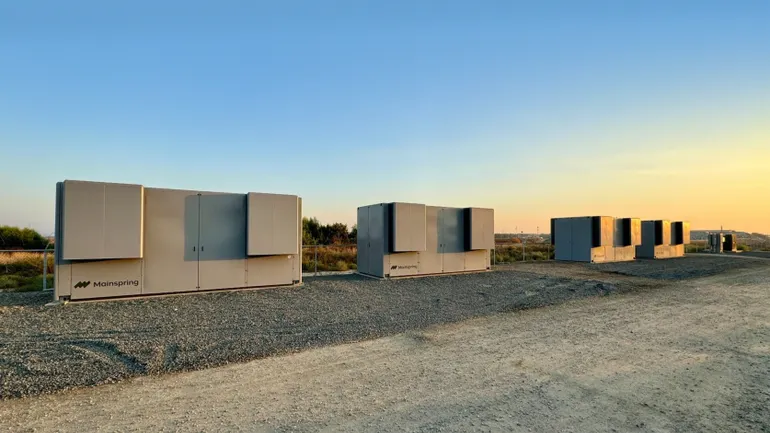
AEP can buy up to 1.6 gigawatts of Mainspring generators through 2034 and is advancing a separate 702-megawatt fuel-cell project for Google. The deals show how utilities are building power near data-center demand.
American Electric Power is assembling a new set of tools for serving data-center demand before traditional grid projects can be completed. Its agreement with Mainspring Energy allows AEP to purchase up to 1.6 gigawatts of linear generators through 2034.
The arrangement is an option for future purchases, not a commitment that all 1.6 gigawatts will be installed. Its value lies in flexibility. AEP can deploy generation closer to customer sites and match additions to actual demand rather than building the entire capacity at once.
The Mainspring agreement sits beside a larger, separate project for Google. AEP is advancing a $4 billion plan for 702 megawatts of Bloom Energy fuel cells under a 20-year power purchase agreement. AEP expects to own 92% of the project, with Basalt Infrastructure Partners holding the remaining 8%.
Construction is expected to begin in 2026, with full operation targeted by the end of 2028. The schedule is faster than many large power plants and transmission projects, which is important when computing demand is arriving on a different timetable from conventional utility construction.
These deals also create risks. Large customer projects can concentrate demand, equipment choices may have limited operating histories at this scale and regulators will examine cost allocation. A long-term agreement can improve revenue visibility, but project execution and counterparty terms still determine returns.
For AEP, the strategic benefit is more than additional capacity. The company is building a menu of modular generation options that can be placed near large loads while the wider grid catches up. The financial outcome will depend on how much of the Mainspring capacity is ordered, whether the Google project stays on schedule and whether regulated returns adequately compensate shareholders for the capital deployed.
The projects may also become a template for future utility service to very large loads. Success would give AEP operating data on modular generation, customer economics and regulatory treatment that can inform later developments across its territories.
Latest comments