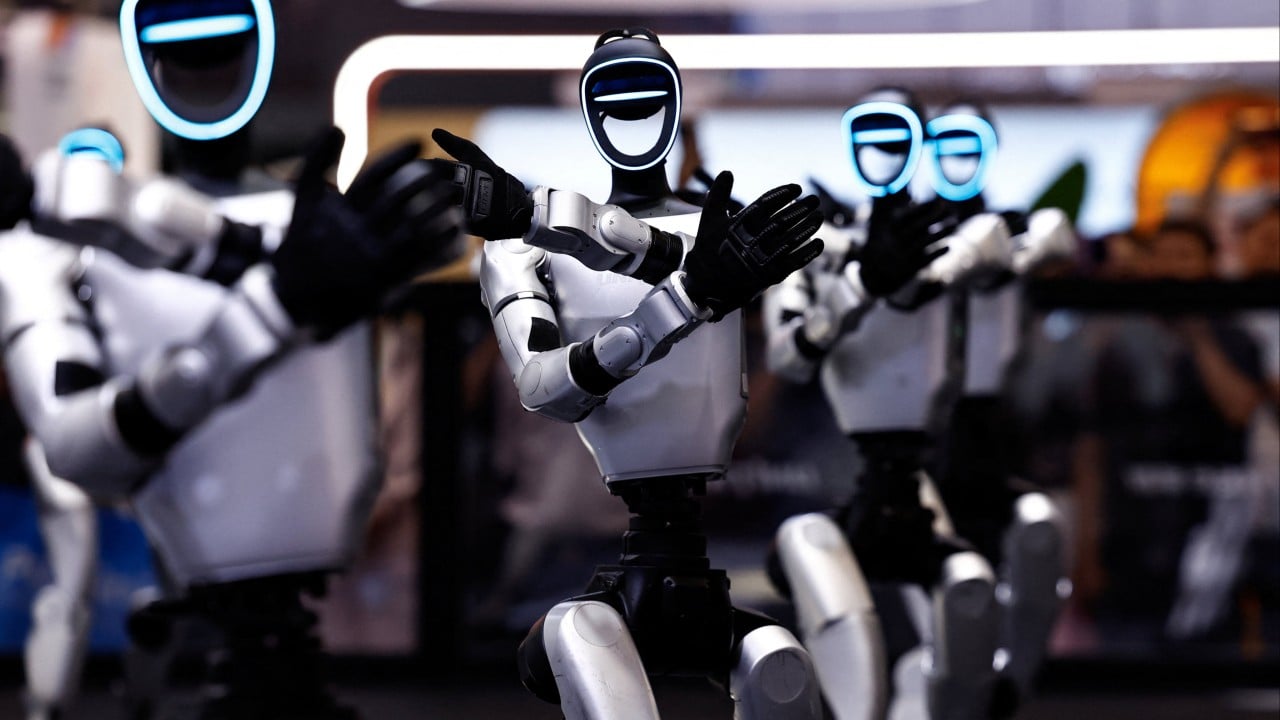
Unitree Robotics’ sharp post-IPO decline is forcing investors and regulators to reassess how China’s humanoid-robot companies should be valued before they reach public markets.
The supplied source says Unitree has fallen more than 40% since listing, with the headline describing a 44% drop.
The decline has erased roughly US$30 billion of market value.
That kind of post-debut performance can change the regulatory environment for an entire sector.
Media reports cited by the source suggest Beijing may tighten scrutiny of humanoid-robot companies seeking mainland listings.
Revenue sustainability, earnings prospects and the quality of technological innovation are expected to receive greater attention.
The shift is important because the humanoid-robot theme has attracted enormous investor enthusiasm.
The sector sits at the intersection of artificial intelligence, automation and advanced manufacturing.
Those themes can support high valuations before companies have proven durable earnings.
Unitree’s experience shows the risk of pricing strategic importance as if it already guarantees commercial success.
The impact can extend to peers such as Deep Robotics and Leju Robot.
The source says both remain unprofitable after filing for IPOs.
A stricter review process can slow listings, increase disclosure requirements and force companies to prove more about customer demand before accessing public capital.
That can be healthy for the market.
Higher standards can reduce the risk that investors buy into businesses whose revenue growth depends heavily on pilot projects, subsidies or temporary excitement.
The trade-off is that tighter approval can also slow capital formation in an industry Beijing considers strategically important.
For investors, the lesson is to separate technological capability from business quality.
A humanoid robot can be technically impressive while the company behind it still faces weak margins, uncertain recurring demand and heavy capital needs.
What investors should watch: new mainland IPO approvals, profitability requirements, Unitree share performance, revenue quality at Deep Robotics and Leju Robot and whether regulators demand more evidence of commercial deployment before approving listings.
BTI’s bottom line: Unitree’s 44% decline is becoming a sector-level warning. China’s humanoid-robot story remains strategically important, but public-market investors are beginning to demand proof that technical ambition can translate into sustainable revenue and earnings.