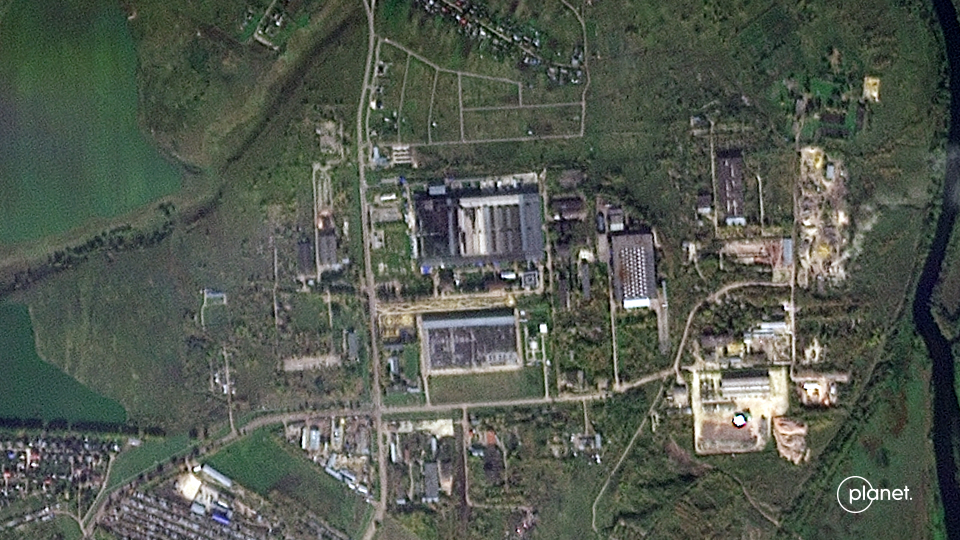
Drone attacks damaged Yandex data centers in Sasovo and Kaluga, disabling modules and disrupting services that depended on the infrastructure. Yandex’s own October 9 statement confirmed serious damage at Sasovo and said no employees were injured. Later reporting described another facility shutdown, showing that the risk was not confined to one building.
Redundancy is now a physical-security requirement
Cloud and internet services are designed to fail over between facilities, but redundancy only works when applications, data and network capacity are distributed before an incident. Moving workloads after a site is disabled can overload surviving infrastructure or expose dependencies that were not tested at wartime scale.
The source says Sasovo housed two of the company’s three supercomputers used for YandexGPT training. Even when consumer services recover, damage to specialized clusters can delay model training because accelerators, networking and power equipment are difficult to replace. The economic cost includes hardware, migration, downtime and lower utilization at backup sites.
The market exposure is indirect but material
Yandex’s Russian operations are not a straightforward U.S.-listed equity catalyst, so assigning a public ticker impact would overstate the evidence. The broader investor lesson applies to operators and suppliers: geographic concentration, insurance exclusions, sanctions and replacement lead times should enter data-center return calculations.
What investors should watch
Attribution and military intent remain contested in active conflict, and the source relies partly on official claims. What is verified is the physical damage acknowledged by Yandex and the resulting shutdown. Investors should focus on restoration timelines, service availability and whether capacity is rebuilt in more dispersed locations.
BTI's bottom line
In wartime, resilience spending is not optional overhead; it is part of the cost of providing compute.