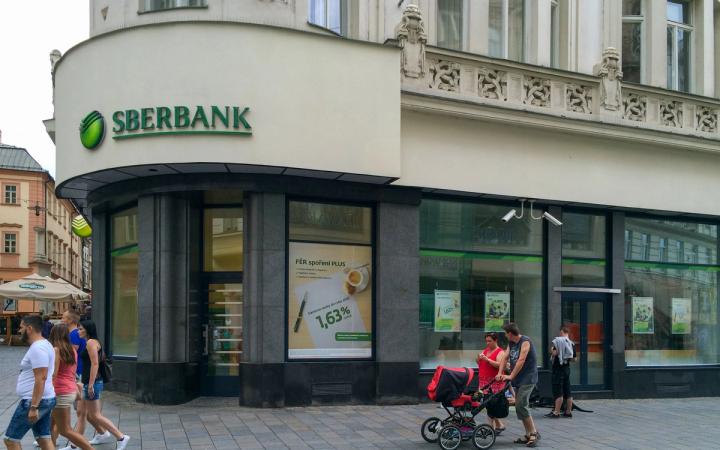
Sberbank has joined the Bank of Russia's register of authorized cryptocurrency exchanges and plans to open trading to a broad client base on December 1. Russia's largest bank is already testing Bitcoin, Ether and Tether transactions in its app, according to reporting on the registration.
The approval follows Sberbank's earlier inclusion as a digital depository. The Bank of Russia's new framework requires exchanges and depositories to enter separate registers and meet governance and documentation standards. The regulations took effect on October 5 under a law that began operating in September.
Access expands, but the boundaries remain
Registration creates a supervised route for clients to buy and hold digital assets through a major bank. It does not make cryptocurrency legal tender. Payments for ordinary goods and services remain prohibited, and the framework is designed around investment, exchange and custody.
That distinction shapes the business opportunity. Sberbank can add trading and safekeeping to an existing banking relationship, reducing the need for customers to move funds to an offshore platform. The bank also gains a new fee channel and more activity inside its app.
The controls are likely to be tighter than on a global crypto exchange. Registered intermediaries must follow transaction monitoring, recordkeeping and customer-identification rules. From July 2027, trading is expected to move through registered intermediaries, reinforcing the advantage of banks that entered the framework early.
What the December launch will show
The first questions are product scope and client eligibility. Sberbank has named BTC, ETH and USDT in testing, but pricing, spreads, withdrawal rights and custody terms will determine whether the service competes with specialist exchanges.
The launch also tests demand under sanctions and capital controls, where cryptocurrency can carry both investment appeal and compliance sensitivity. Registration reduces legal uncertainty for the bank, but it does not remove price volatility or operational risk for customers.
December 1 is therefore more than a marketing date. It will show whether Russia's new register can turn formal approval into a usable retail product, and whether customers accept bank-level controls in exchange for domestic access and custody.