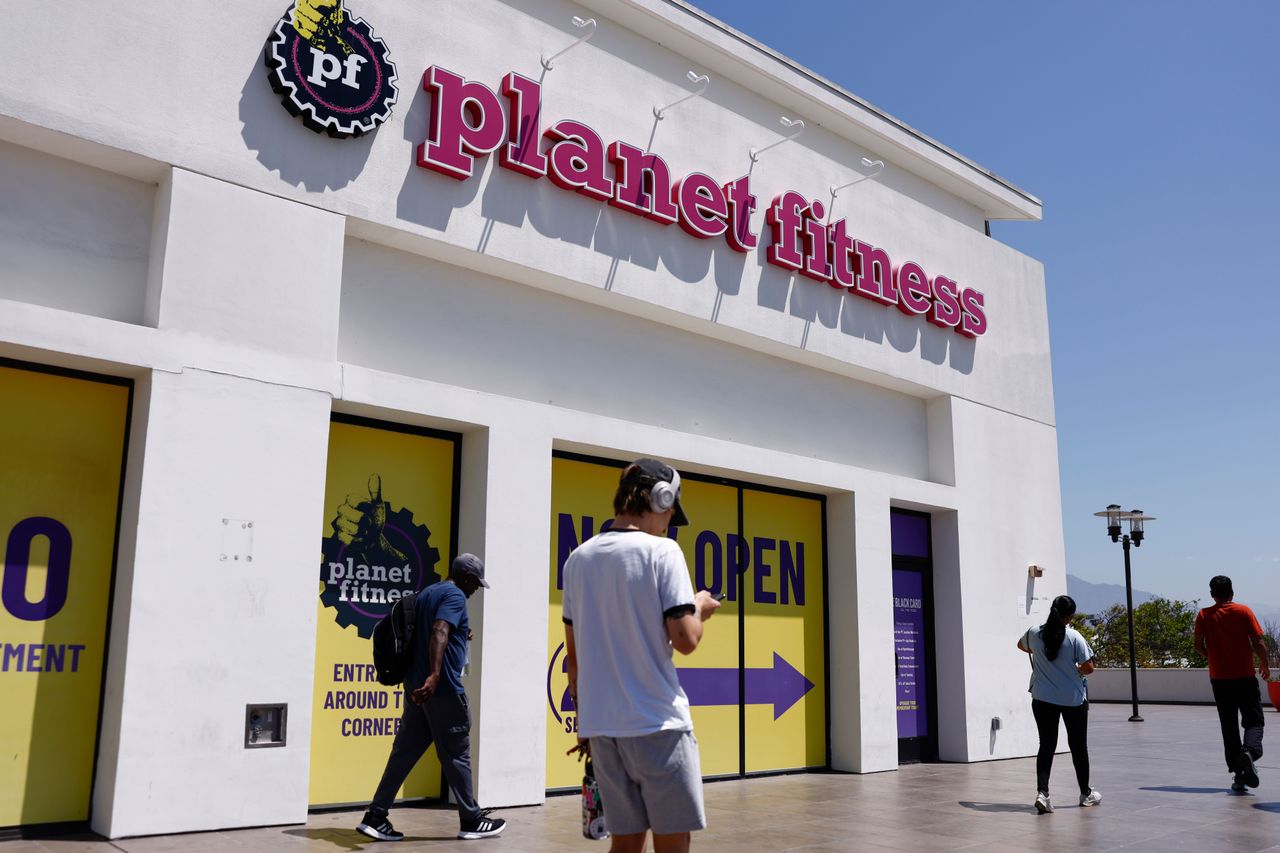
UBS says Planet Fitness is seeing stronger membership momentum and faces manageable risk from agentic AI. The next earnings update must show whether promotions produced durable sign-ups and improved same-club sales.
Planet Fitness shares rallied on October 9 after UBS argued that investors were treating an emerging technology concern as a bigger threat than the gym operator's recent operating evidence justified. The bank kept its Buy rating and $80 price target, while pointing to stronger membership growth in September and early October.
The rebound does not settle the debate. UBS did not publish the enrollment figures behind its call, and the analyst commentary was reported secondhand by The Fly and Stocktwits. That makes the next company update more important than the rating itself.
Membership momentum is the real test
Planet Fitness ended June with about 21.5 million members and 2,930 clubs. Second-quarter revenue rose 7.1% from a year earlier to $365.2 million, while system-wide same-club sales increased 1.7%. The company also opened 23 clubs during the quarter and repurchased $200 million of Class A shares.
Those numbers show a large, still-expanding network, but they also explain why investors are sensitive to evidence of better member acquisition. Management's full-year outlook calls for only about 1% same-club sales growth, even as revenue is expected to rise about 7% and adjusted EBITDA about 6%. Adjusted net income is still projected to decline about 3%, partly offset by a lower share count that supports roughly 6% adjusted earnings-per-share growth.
UBS highlighted a limited-time promotion that let new members join for $1 upfront and $10 per month. The key question is whether that offer created durable net additions rather than a short burst of discounted sign-ups. Planet Fitness said in August that it was testing pricing, member experience and retention initiatives, but it had not yet reported the September and early-October membership data cited by UBS.
Why the AI concern looks secondary
The phrase "agentic AI" refers to software that can plan and complete tasks with limited human direction. That technology could change how people discover workouts, receive coaching or manage subscriptions, but it cannot replace access to exercise equipment and physical locations. Planet Fitness's more immediate risks remain familiar: attracting and retaining members, helping franchisees finance and open clubs, and converting promotions into recurring revenue.
The franchise model matters here. About 90% of Planet Fitness clubs are independently owned, so faster membership growth can lift royalty revenue without requiring the company to fund every new location. The same structure also leaves expansion sensitive to franchisee capital costs and operating economics. Planet Fitness expects 180 to 190 system-wide openings in 2026, alongside net interest expense of about $115 million.
The October rally therefore reflects a change in expectations, not proof that the operating slowdown has ended. Investors now need company-reported membership trends, retention evidence and updated same-club sales to confirm UBS's thesis. Until those figures arrive, the $80 target is an analyst judgment built on early momentum, not a substitute for the next earnings report.
Research and commentary are provided for information, not personalized investment advice. Verify material claims with the linked source and original company disclosures. Report a correction · About BTI