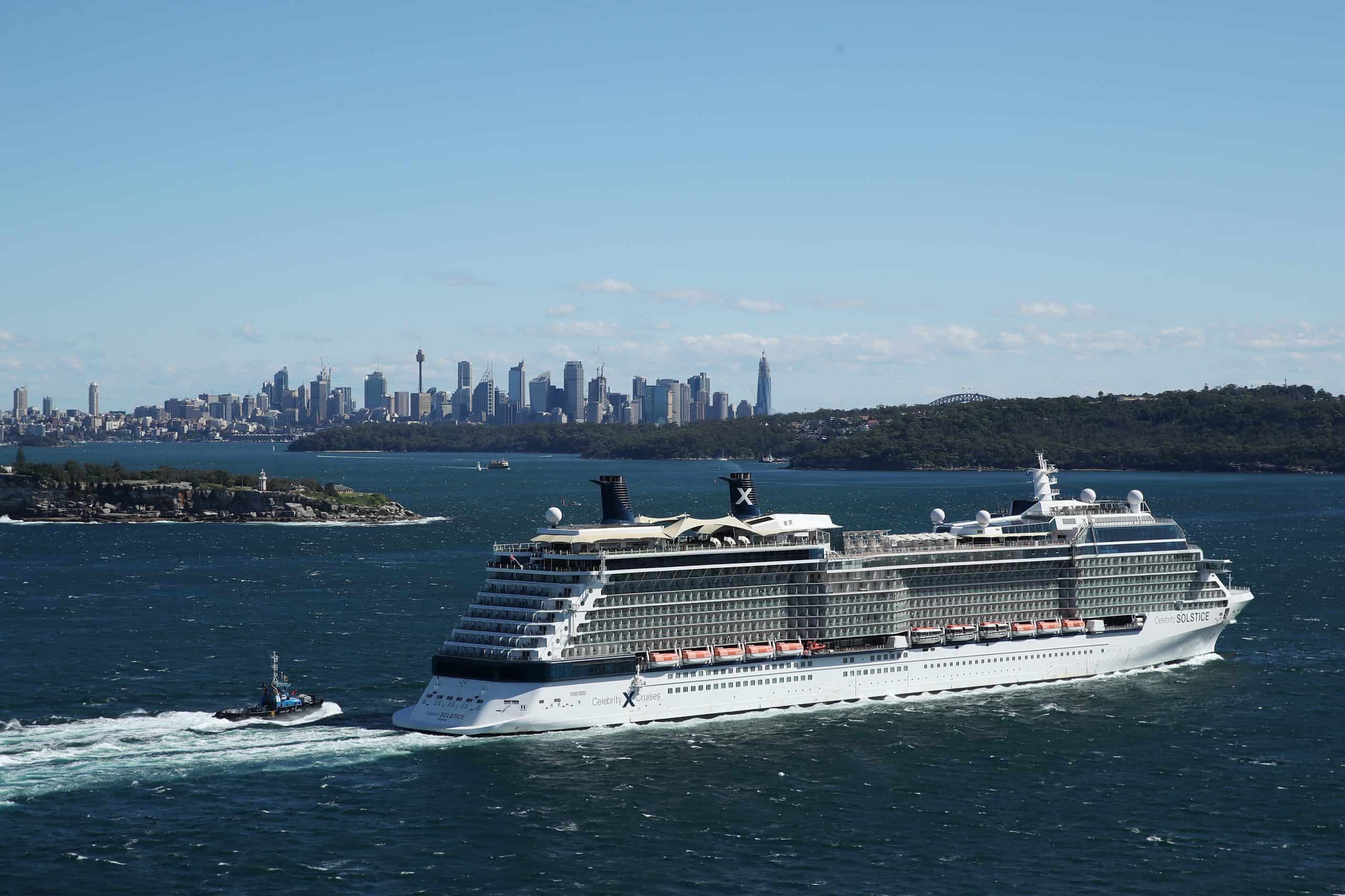
Norwegian Cruise Line Holdings has a credible demand story, but its stock recovery depends more on yield, fuel and debt than on booking headlines. The company has described record booked occupancy and pricing for future sailings, yet its official second-quarter update projected a third-quarter constant-currency net-yield decline of 8.9%. That near-term drop helps explain why investors have treated Norwegian more harshly than larger cruise peers despite healthy industry demand.
The operating bridge is demanding
Management guided to about $874 million of third-quarter adjusted EBITDA and a 41.2% adjusted EBITDA margin. For the full year, it projected approximately $2.5 billion of adjusted EBITDA, $700 million of adjusted net income and $1.50 of adjusted EPS. Those figures show meaningful earnings capacity, but they also require forward bookings to convert into realized ticket and onboard revenue while costs remain controlled.
Fuel is one variable. A more expensive fuel curve raises voyage expense and can compress profit even when ships sail full. Norwegian's disclosures include fuel-price assumptions and sensitivity because the company cannot immediately reprice every booking. The effect is more important for a leveraged operator: a dollar of operating shortfall competes with interest and debt repayment rather than flowing freely to equity holders.
Refinancing improves the maturity profile, not the business by itself
Norwegian announced a $750 million senior-notes transaction intended to retire higher-coupon debt and reduce revolving and export-credit facilities. Replacing expensive obligations can lower interest expense and extend maturities, but the final benefit depends on the new coupon, fees and which liabilities are actually repaid. Refinancing is constructive when it reduces the cash burden; it does not erase principal or guarantee stronger free cash flow.
The company reported roughly $1.5 billion of liquidity, including about $218 million of cash, in its second-quarter materials. That cushion supports operations, but the modest cash component reinforces why execution matters. Investors should focus on cash generated after interest, capital spending and working-capital movements rather than EBITDA alone.
The next earnings report must reconcile the two sides of the story. Strong 2027 and 2028 bookings would be more persuasive if management also demonstrates better realized pricing, improving net yield and stable cost guidance. Evidence that the refinancing reduces cash interest would strengthen the equity case. Conversely, another yield disappointment or higher fuel assumptions would keep the balance sheet at the center of valuation.
Norwegian is not a demand-free turnaround. It is a leveraged operator trying to convert demand into cash quickly enough to improve the capital structure. That distinction is why bookings can be strong while the stock remains weak.