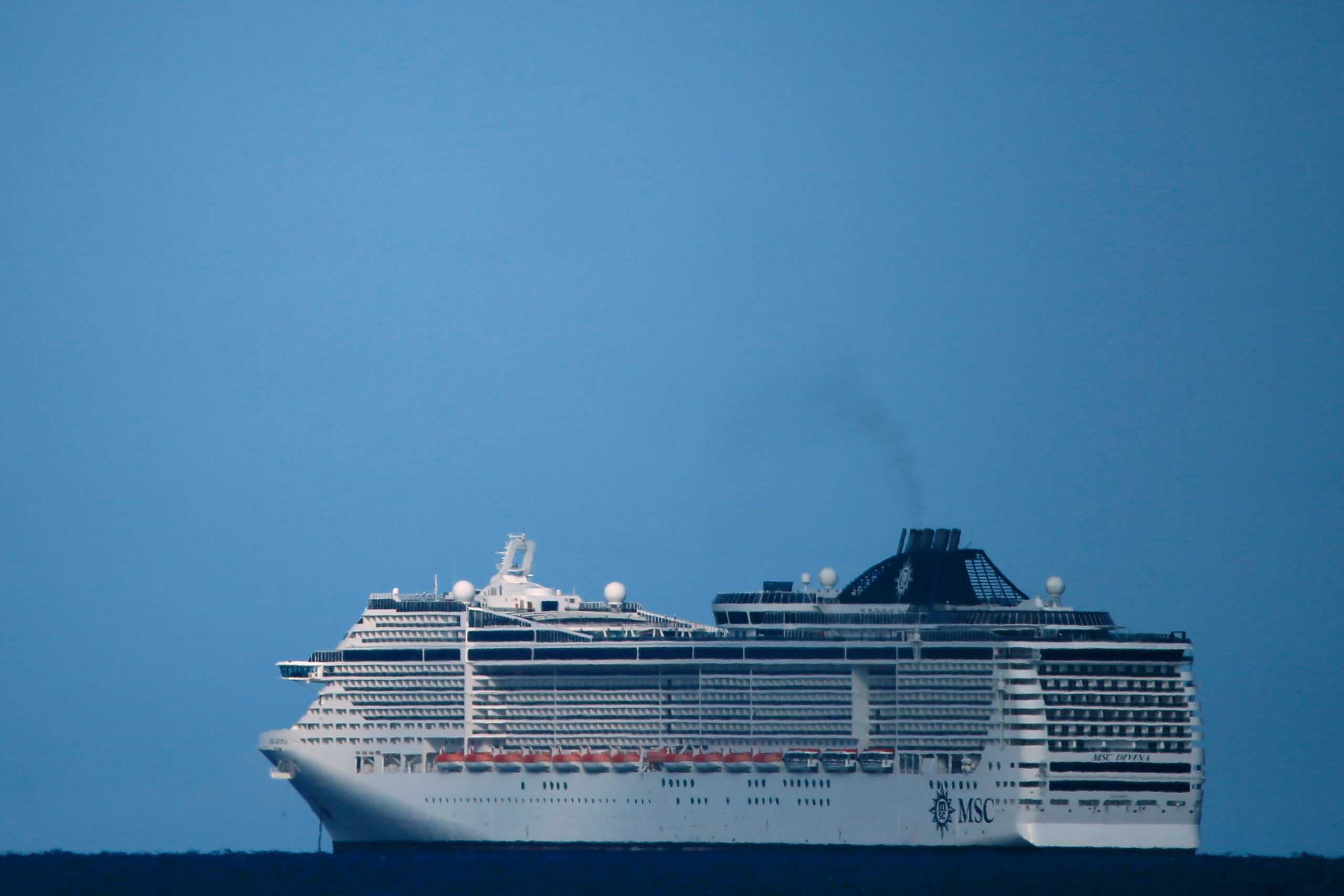
Norwegian Cruise Line rose with Royal Caribbean and Carnival in a broad cruise-sector rally, but one strong session does not erase Norwegian's weaker year-to-date performance or its long capital commitments.
The source article reported gains of roughly 5% for Norwegian and 4% for both Royal Caribbean and Carnival, without a new Norwegian-specific announcement explaining the move. Similar gains across three operators point to a change in sector sentiment or demand expectations rather than a clear company catalyst.
Norwegian's operating scale is substantial. Its June 2026 filing reported 35 ships and about 75,000 berths, with itineraries reaching roughly 700 destinations. The company also had orders for 16 additional ships scheduled through 2037. Most effective ship orders have export-credit financing expected to cover about 80% of contract prices, subject to conditions, while several later orders remain dependent on financing.
That pipeline cuts both ways. New ships and private-destination investments can support capacity, pricing and onboard revenue. They also lock the company into years of capital spending and expose shareholders to demand, fuel, interest-rate and refinancing risk.
The group comparison requires care. Royal Caribbean, Carnival and Norwegian have different debt loads, customer mixes, brands and fleet schedules. A sector rally can improve sentiment without closing those gaps.
Investors should monitor booking volumes, net yields, onboard spending, fuel costs, interest expense and free cash flow after ship commitments. The bull case is that sustained cruise demand raises utilization and pricing across the group. The bear case is that Norwegian's long investment program limits flexibility if demand weakens or financing remains expensive.