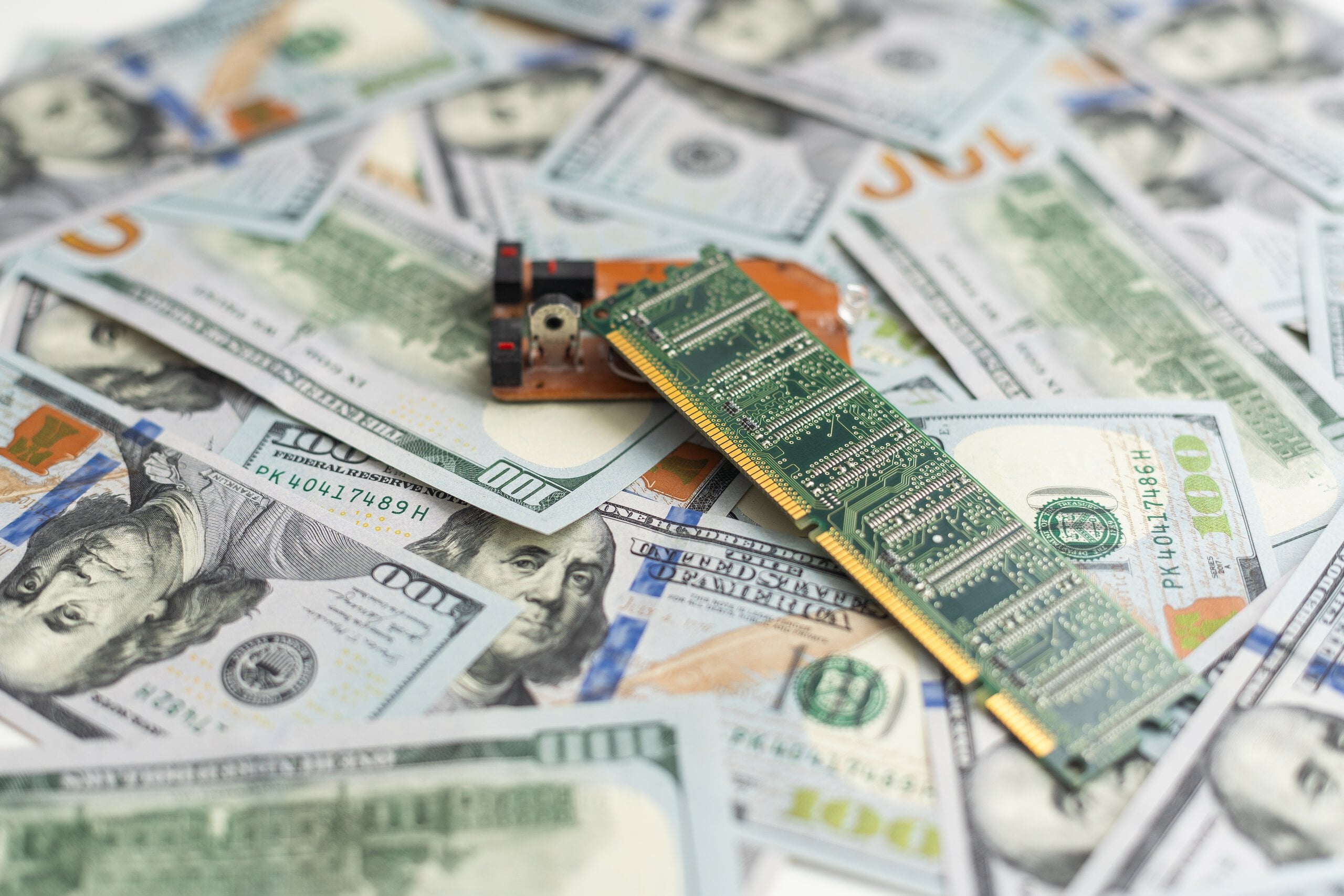
Micron ended fiscal 2026 with a market value near $1.17 trillion, slightly above the combined value of seven household consumer companies cited in the source article. The comparison is striking, but market capitalization alone does not explain the investment case. Micron's extraordinary earnings and the durability of memory pricing are the decisive variables.
The profit expansion was real
Micron reported fiscal 2026 revenue of $133.2 billion and GAAP net income of $85.0 billion. GAAP gross margin reached 80.7%, compared with 39.8% a year earlier. Those figures are in millions in the company release, so the correct units are billions after conversion.
The fourth quarter was even stronger, with $37.7 billion of GAAP net income. Cloud and core data-center memory produced very high segment margins as demand for high-bandwidth memory and advanced DRAM exceeded available supply.
The comparison hides different business models
Coca-Cola, PepsiCo, McDonald's, Disney, Starbucks, Nike and Chipotle generate more stable consumer demand across many products and geographies. Micron sells a cyclical input whose price can move sharply when supply catches up. A lower forward earnings multiple can therefore signal skepticism about the duration of current profits rather than an obvious bargain.
Micron's defense is contracted demand and capital discipline. The company said a large share of calendar 2027 output was already committed, and it generated $62.3 billion of adjusted free cash flow in fiscal 2026 after $27.4 billion of capital spending. Commitments improve visibility, but floor prices, customer concentration and future industry capacity still matter.
What investors should watch
Track high-bandwidth-memory pricing, committed 2027 supply, customer prepayments and capital spending by Micron and competitors. Gross margin is the cleanest signal of whether scarcity economics are holding. A decline in orders can reach profit quickly because memory pricing has high operating leverage.
BTI's bottom line
Micron's valuation is supported by exceptional current cash generation, not brand recognition. The risk is that investors capitalize peak-cycle earnings as if 80% gross margins were permanent.