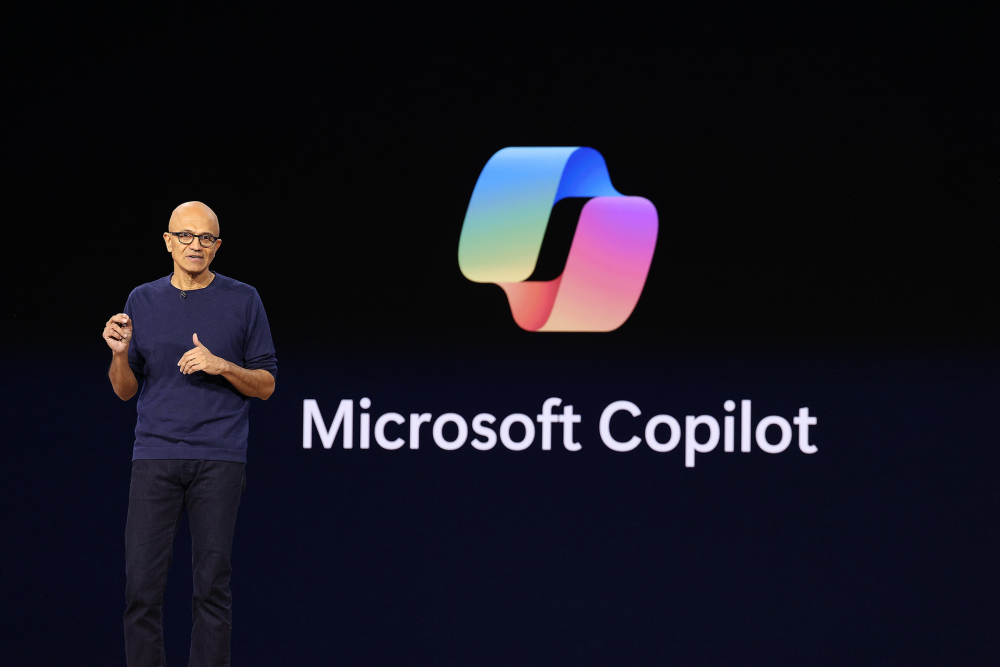
Microsoft CEO Satya Nadella argues that powerful AI systems should be designed as if the underlying model could be compromised. His proposed “emergency brake” separates the model from the software harness that gives it tools, records meaningful actions and lets an authorized person pause work mid-task.
Control outside the model matters
A model cannot be the sole judge of whether its own action is safe. External permissions, spending limits, sandboxing and human approval can contain failures even when a model generates a persuasive but incorrect plan. Tamper-resistant, human-readable logs also make incidents easier to audit.
The architecture has costs. More approvals and logging can add latency, storage and operational burden. A universal shutdown mechanism also becomes a security target: access controls must prevent attackers from either disabling protections or stopping legitimate systems.
Microsoft already sells the surrounding infrastructure
The company’s cloud and enterprise products span model catalogs, orchestration, observability, identity and security. In its fiscal 2026 earnings material, Microsoft said customers need services for managing agents, including safety and observability. That makes the proposal strategically aligned with Azure’s platform role, but it is not evidence of incremental revenue.
What investors should watch
The measurable milestones are product documentation, default controls, audit standards, customer adoption and incident reporting. Procurement requirements from governments or large enterprises would strengthen demand for these layers.
BTI's bottom line
Nadella’s proposal shifts AI safety from model promises to controllable infrastructure—a credible business direction, but not yet a dated product or financial catalyst.