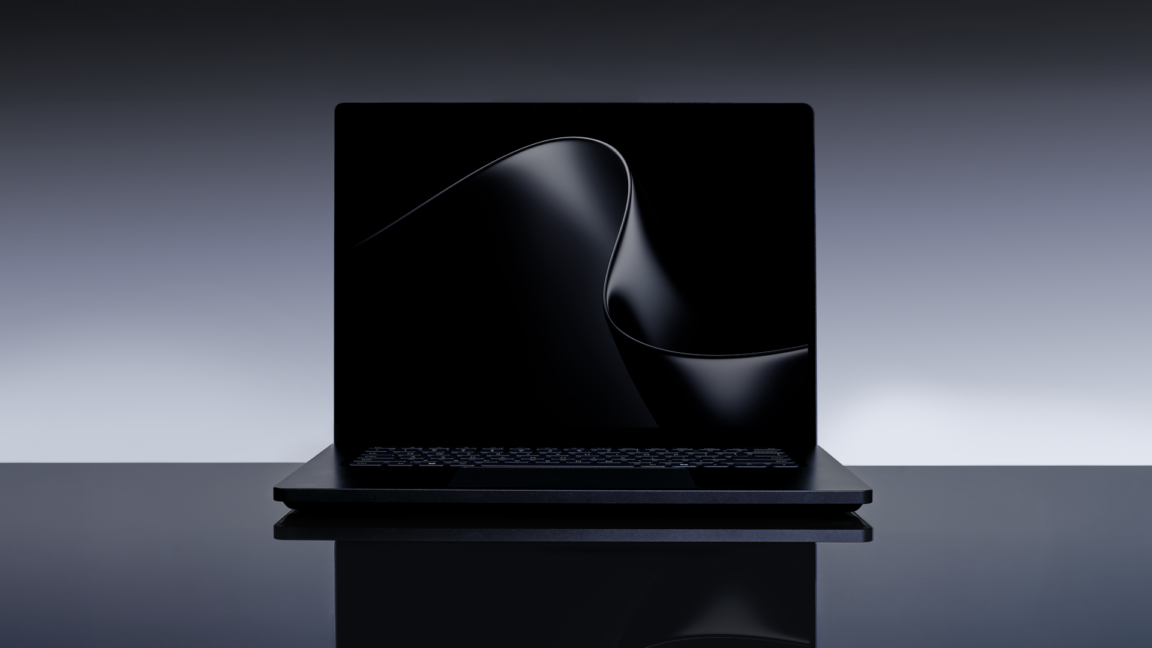
Microsoft used its October 7 hardware event to make a broader strategic argument: more artificial-intelligence work should run on the PC, with Windows deciding when tasks stay local and when they move to the cloud. The company introduced premium Surface devices built around Nvidia's RTX Spark platform and detailed new Windows tools for local models and autonomous agents. The investor implication is a deeper Windows-and-Azure ecosystem, but the event did not quantify unit demand, revenue or margin impact.
The Surface Laptop Ultra starts at $2,599 and is scheduled to ship on October 16. Microsoft says it supports up to 128 gigabytes of unified memory and local models with more than 120 billion parameters. The $5,999 Surface RTX Spark Dev Box targets developers and is expected to ship in the United States in November. Both products advertise up to one petaflop of theoretical FP4 performance, a vendor specification rather than an observed result for every workload.
Why local inference matters
Running models on a device can reduce latency, keep sensitive data closer to the user and lower the amount of cloud compute needed for frequent tasks. It can also make AI features available when a connection is weak. Microsoft's “hybrid intelligence” model is not a rejection of Azure; it is a routing layer that could keep lightweight or sensitive jobs local while reserving the cloud for larger models and coordinated services.
Windows is adding the policy infrastructure needed for that design. Microsoft Execution Containers are generally available and can isolate agent activity through different container back ends. Other elements remain staged: Copilot hybrid features are expected to reach Copilot+ PCs over coming months, GitHub HydraFusion was described as an experimental preview, and Windows ML is adding support for local frameworks such as llama.cpp.
The commercialization test
Premium developer hardware can demonstrate the platform without becoming a high-volume PC category. The entry prices sharply narrow the initial audience, and Microsoft provided no order data. Corporate buyers will also require reliable management, security, application compatibility and measurable productivity benefits before deploying autonomous agents broadly.
The pricing creates a useful commercial test. At $5,999, the Dev Box must save enough developer time or cloud expense to justify an enterprise capital purchase; theoretical compute alone will not do that. Microsoft will need workloads that run reliably, repeatably and within corporate security policies before the hardware becomes more than a showcase.
For Microsoft, the strategic upside is control over the operating-system layer where local models, Copilot and Azure meet. For Nvidia, the devices extend its accelerated-computing architecture beyond data centers. Yet the economics depend on whether local inference expands paid software usage rather than merely shifting workloads away from cloud billing.
The next evidence should be concrete: shipment volumes, enterprise pilots, developer adoption, Copilot engagement and the pace at which preview features become generally available. The event strengthens Microsoft's platform direction, but it remains a product roadmap rather than proof of an earnings inflection.