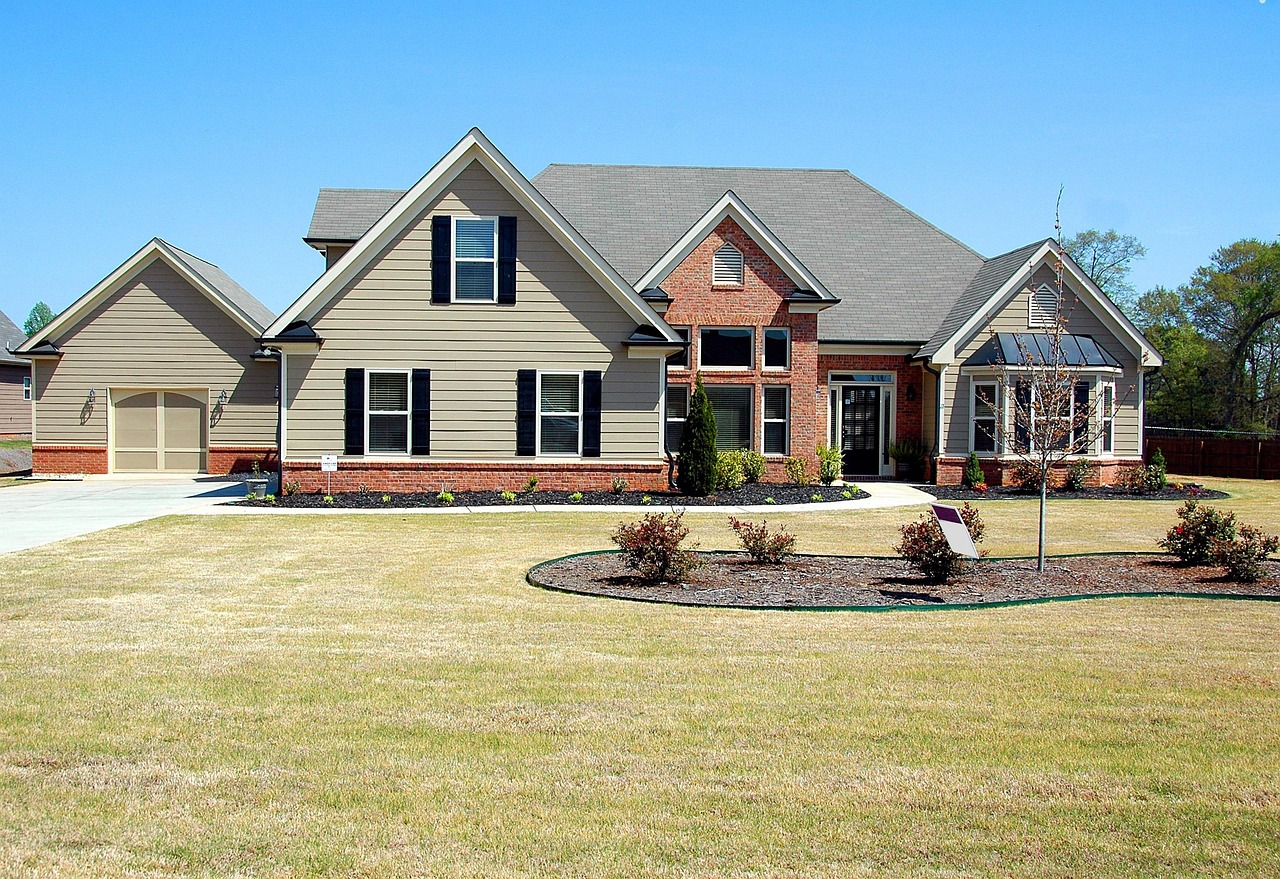
Lennar’s third-quarter results show a builder defending volume in an unaffordable housing market by giving up price and margin. Home deliveries fell 3% to 20,840, while new orders declined 9% to 20,879. Revenue was $8.0 billion, net income was $284 million and diluted earnings per share fell to $1.19 from $2.29 a year earlier.
The strategy is deliberate. Management said incentives were about 12% of sales and the average sales price was roughly $372,000. Lower prices and mortgage-rate buydowns help monthly payments, supporting absorption and keeping construction moving. They also compress homebuilding gross margin, which was 15.8%, with net margin at 6.6%.
Why volume protection can be rational
Homebuilders carry land, work in progress and finished homes. Slowing starts too abruptly can leave capital tied up and weaken purchasing efficiency. Lennar’s asset-light approach reduces that exposure: the company controlled about 488,000 homesites and owned less than 2.5% of them. Construction cost per square foot was also down 14% from the fourth quarter of 2023.
Those advantages let Lennar price more aggressively than a builder burdened with expensive land. The trade is that incentives transfer part of the affordability problem from the buyer to the builder’s income statement. If mortgage rates remain high, sustained double-digit incentives can keep revenue moving while delaying margin recovery.
The balance sheet is strong, but less pristine
Lennar ended the quarter with $1.2 billion of cash and a homebuilding debt-to-capital ratio of 16.6%. Net homebuilding debt to capital rose to 12.7% from 2.8% in November 2025. The increase does not signal immediate distress, but it reduces the cushion available if demand weakens further.
Backlog stood at 16,857 homes valued at $6.3 billion. Dividing value by units gives an implied average of roughly $374,000 per home, close to the reported sales price. That BTI calculation suggests the near-term backlog mix does not by itself point to a sharp pricing rebound.
What a durable turn would require
Management reduced its fiscal-year delivery expectation to 80,000–81,000 homes from 82,000–83,000. That revision makes a quick earnings rebound less likely. A more compelling entry would combine stabilization in orders with lower incentives and a homebuilding margin that stops falling.
The bullish case is that Lennar’s scale, lower construction costs and controlled-lot model allow it to gain share until mortgage rates ease. The bearish case is that affordability remains constrained long enough for incentives to become structural. The next quarter’s order pace and incentive level will distinguish a tactical margin sacrifice from a longer reset in industry economics.
The mortgage channel is central because the payment, not the sticker price alone, determines affordability. With mortgage rates around 6.8% at quarter-end, a builder-funded rate buydown can be more valuable to a buyer than an equivalent nominal price cut. For Lennar, however, both are incentives that reduce the economics of a sale.
Backlog coverage is also lower than it appears if cancellations rise. The reported 16,857 homes represent orders not yet delivered, not guaranteed revenue. Buyers can cancel, financing can fail and completion timing can move between quarters. The backlog’s implied average price close to the current sales price suggests continuity, but not certainty.
Share repurchases add another tradeoff. Lennar bought back three million shares for $256 million during the quarter while net homebuilding leverage rose. Repurchases can be attractive below intrinsic value, yet cash used for buybacks is unavailable for debt reduction or additional incentives. In a cyclical downturn, balance-sheet flexibility usually deserves a higher weight than short-term EPS accretion.