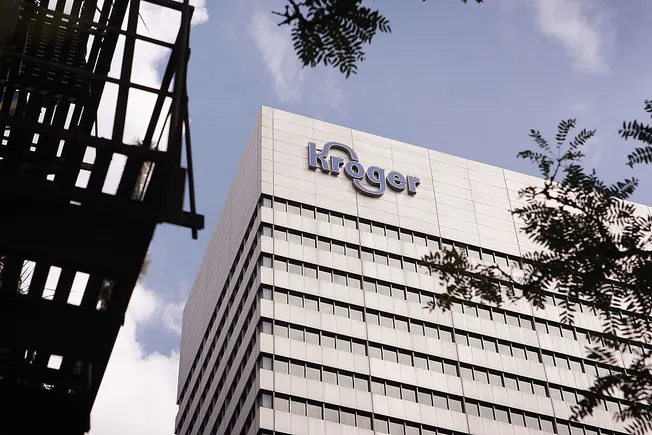
Kroger plans to eliminate approximately 3,000 corporate jobs over the next three years as CEO Greg Foran, who took over in February, tries to simplify management and fund a sharper competitive offer. The plan targets administrative layers and duplicated work. It is not a reduction of 37% of Kroger's entire workforce.
Stocktwits reported that Kroger had already cut nearly 1,000 corporate roles last year. Grocery Dive reported the new plan from a memo that Kroger shared with the publication. Decisions about affected roles will begin in coming months, but Foran did not identify departments or provide a detailed schedule.
A leaner office is meant to support cheaper groceries
Foran's stated aim is to move resources closer to customers through lower prices, investment in store employees and a better shopping experience. Technology, including automation, is part of that effort. The potential benefit is faster decisions and less overhead, rather than simply a larger reported layoff number.
Stocktwits, citing Bloomberg, put the corporate workforce at approximately 8,200. Dividing 3,000 by 8,200 gives about 36.6%, which explains the rounded 37% headline. The 36.6% reduction uses corporate staff as its denominator, not store workers or Kroger's total employment.
Kroger has not disclosed a dollar savings target in the memo described by Grocery Dive. Investors therefore cannot responsibly translate the cuts into a specific earnings increase. Severance, implementation costs and the amount reinvested in lower shelf prices will determine how much reaches operating profit.
The sales backdrop makes the trade-off visible
Kroger's September 11 results narrowed fiscal 2026 identical-sales growth guidance excluding fuel to 0.2%-0.8%, from 1%-2%. It kept adjusted EPS guidance at $5.10-$5.30 and adjusted free-cash-flow guidance at $2.7 billion-$2.9 billion.
The contrast suggests management is trying to protect profitability while growth remains slow. Grocery Dive reported that value-focused rivals have gained market share and noted Walmart's expansion of price cuts to more than 7,000 products when Kroger discussed its own reductions in May.
Saving overhead can finance lower prices, but a price investment consumes some of the savings. The test is whether improved value brings enough customer traffic and sales to sustain margins. Fewer handoffs are useful only if store execution actually improves.
Management changes and a separate legal exposure
Foran has hired former Walmart executives Nate Faust to lead e-commerce and Mark Ibbotsen to lead store operations. Kroger has also appointed new people and data-and-AI leaders. Those changes show the restructuring includes responsibilities and execution, not just payroll.
Meanwhile, Grocery Dive reported that Albertsons seeks at least $8 billion in damages over the failed merger, which Kroger disputes. The trial is scheduled to begin October 19 in Delaware. Albertsons' damages request is a claim, not an established liability, and must not be netted against hypothetical restructuring savings.
Kroger's October 20 investor meeting offers an opportunity to explain costs, milestones and how savings will be split between customers and shareholders. A credible plan needs measurable operating progress as well as fewer corporate positions.