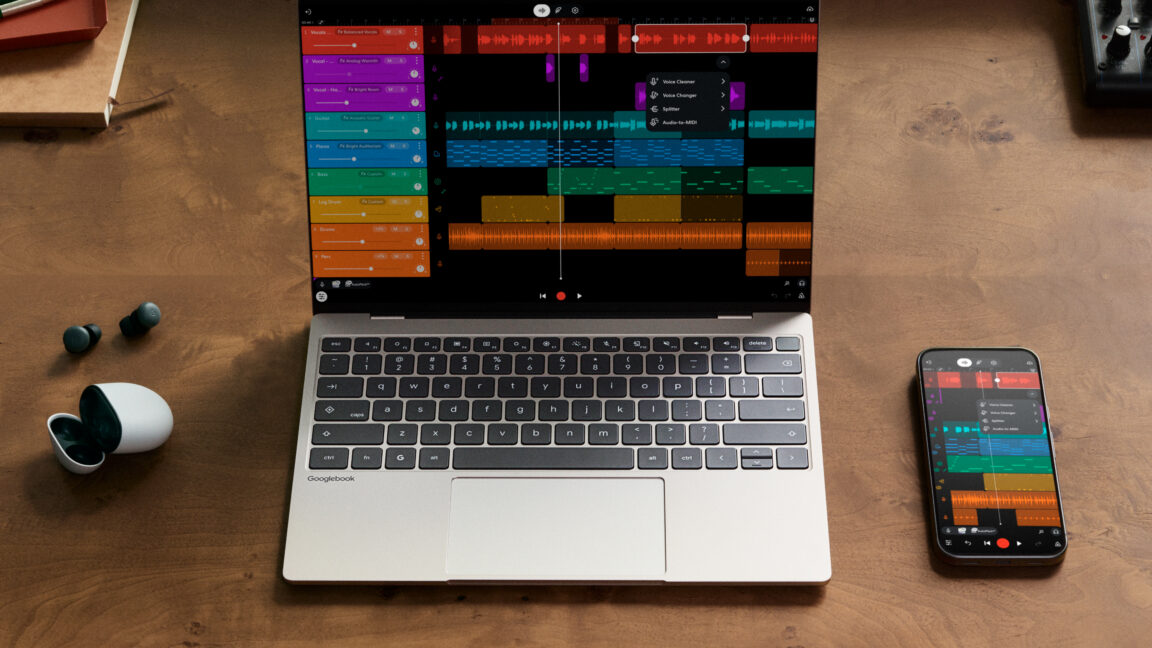
Google’s new Googlebook platform is launching with a notable ecosystem limitation: its headline “Better Together” phone integration does not currently work with Samsung devices.
The supplied source says features such as app streaming, phone-file access, notification mirroring and cross-device continuation require Android 17 and currently work properly only with Pixel phones.
Even recent Samsung devices that shipped with Android 17 are not supported yet. Google representatives said Samsung compatibility is expected in the coming weeks.
That matters because Samsung is the largest Android handset maker and therefore an important part of the addressable ecosystem for any premium Google laptop.
Googlebook’s strategic pitch depends partly on the idea that a laptop can work tightly with a user’s Android phone. If that experience is limited to Pixel at launch, the product starts with a much smaller effective ecosystem than Google’s marketing language might imply.
The issue also highlights Android fragmentation. Although Google has moved many features into Google Play Services to reduce dependence on major OS versions, Googlebook integration still relies on Android 17.
For investors, the near-term financial impact is likely small. The larger question is whether Google can create the same kind of cross-device lock-in that has historically benefited Apple.
BTI’s bottom line: Googlebook’s launch problem is not just a software bug. It is a reminder that ecosystem strategy depends on compatibility. Google’s premium-laptop push becomes more credible if Samsung and other major Android manufacturers can deliver the same integration experience quickly and reliably.