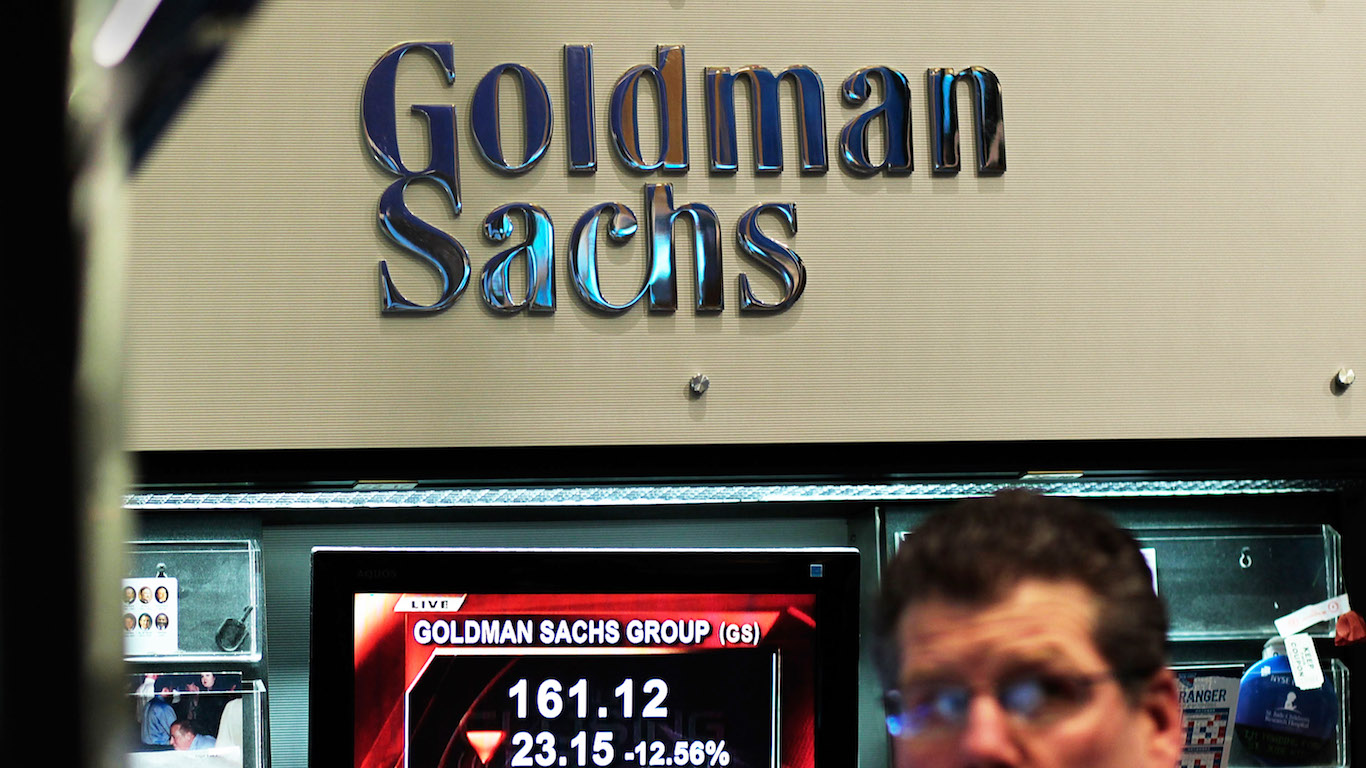
Goldman Sachs reported third-quarter 2026 earnings of $17.01 per diluted share, well above the consensus figure cited by the source article. Net revenue reached $18.68 billion, with equities trading and investment banking providing the clearest explanation for the beat.
The firm's official release reported an annualized return on common equity of 18.7%. That is a strong quarter for a capital-intensive bank and helps explain why the shares outperformed a mixed group of large-bank results.
Trading did the heavy lifting
Equities revenue reached $6.44 billion, up 72% from a year earlier, according to the source article. Equities financing rose 96%, supported by prime brokerage, portfolio financing and derivatives activity. Advisory fees reached a record $1.65 billion as completed merger volumes improved.
These businesses are valuable, but they are not equally predictable. Advisory pipelines can extend for quarters and convert unevenly. Trading revenue depends on client activity, volatility and market positioning. A record period should not be treated as a new quarterly baseline without evidence that market share and wallet gains persist.
Goldman's mix differs from a traditional lender
Goldman has less dependence on consumer and commercial net interest income than many large banks. That gives it greater upside when capital markets are active, but also more exposure to market cycles. JPMorgan and Wells Fargo therefore provide an imperfect comparison even when all three report on the same day.
The quality test is whether strong revenue converts into attractive returns without a large increase in risk-weighted assets, compensation or funding costs. Investors should monitor the advisory backlog, equities financing balances, asset-management inflows and the compensation ratio.
This quarter showed Goldman's market franchises operating at high intensity. The next several reports will reveal whether the result reflects durable share gains and a healthier deal cycle, or an unusually favorable trading environment that is difficult to repeat.