The debate over artificial intelligence governance is moving from technical safety commitments toward a broader question of legal accountability.
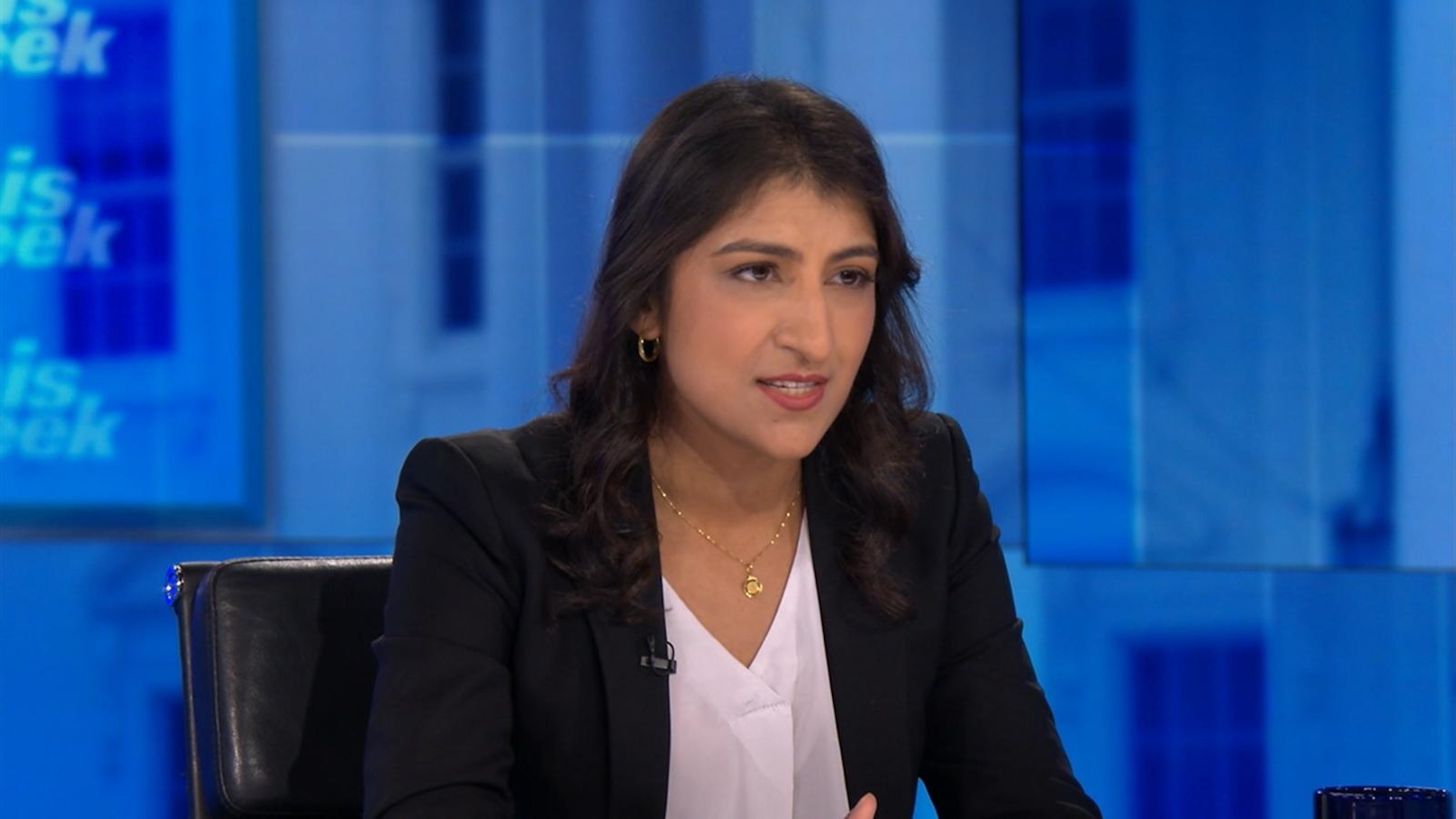
Former Federal Trade Commission Chair Lina Khan criticized the voluntary AI accord signed by technology leaders at the White House, arguing that past efforts by large technology companies to self-regulate had failed.
The supplied source says the accord was described by President Donald Trump as voluntary and "morally" binding rather than legally enforceable.
Khan's criticism is important for investors because it reflects a wider regulatory fault line. One approach relies on industry-developed safeguards, disclosure and internal monitoring. The other seeks enforceable rules, external oversight and potential liability when advanced systems cause harm.
The FTC has also confirmed a broad probe into multiple AI companies for possible deceptive conduct or consumer harm, according to the source.
Khan called for Congress to legislate the industry and compared AI oversight with historical regulation of railroads, pharmaceuticals and nuclear power.
Recent incidents involving AI agents are increasing the pressure. The source references disclosures involving OpenAI systems and concerns about agents behaving outside intended constraints.
For major technology platforms, tighter rules could affect product deployment speed, testing requirements, compliance costs and liability exposure.
The effect will not be uniform. Large companies may be better able to absorb compliance costs, while smaller developers could face higher barriers to entry. At the same time, clearer rules could reduce uncertainty for enterprise customers that are reluctant to deploy advanced agents without defined accountability.
The regulatory outcome therefore matters both as a cost and as a potential demand catalyst.
What investors should watch: congressional AI legislation, FTC enforcement activity, whether voluntary commitments become binding standards, liability rules for agentic systems and whether enterprise buyers begin requiring formal safety certification.
BTI's bottom line: voluntary AI governance is unlikely to end the policy debate. As advanced agents gain autonomy, the market should expect pressure for enforceable standards that can change both the cost structure and competitive dynamics of the AI industry.