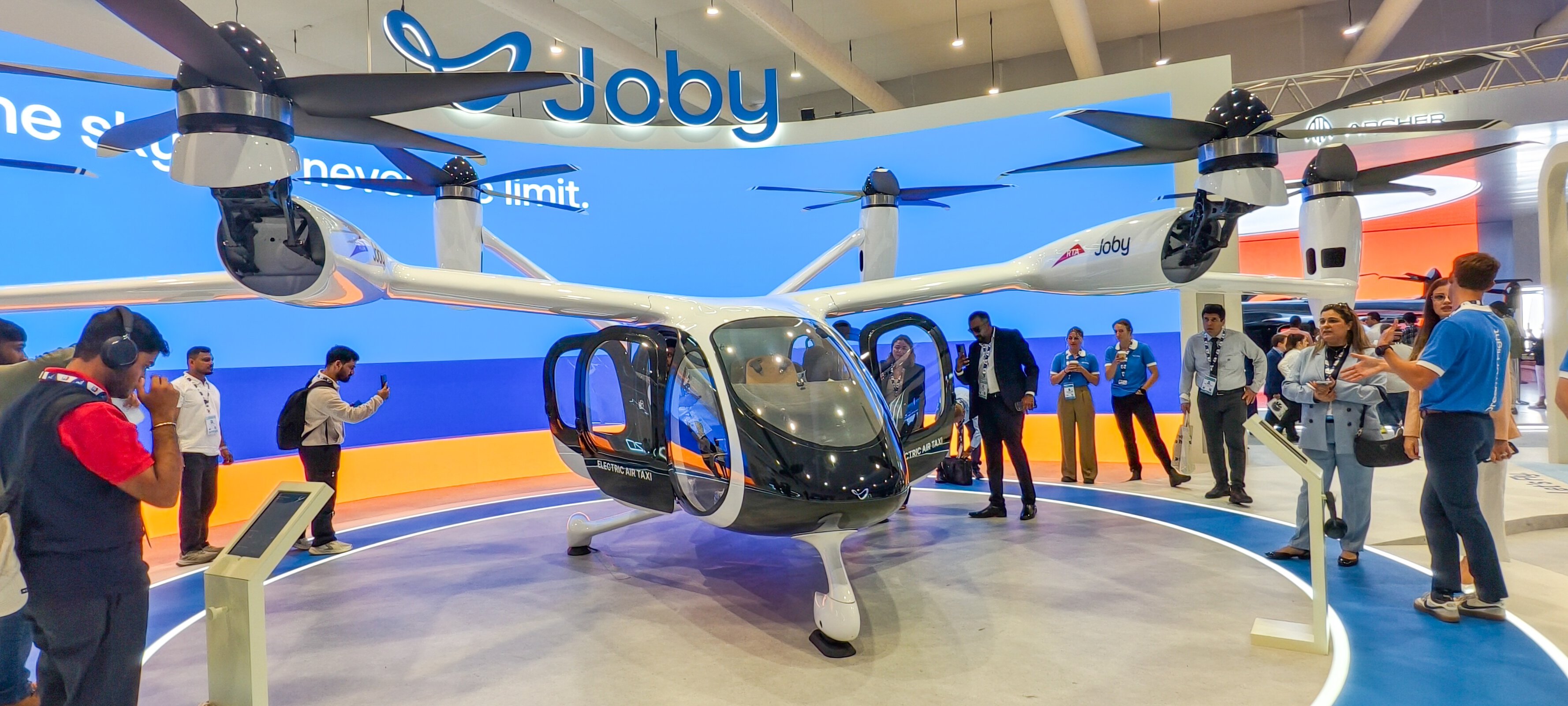
Joby Aviation, Archer Aviation and EHang moved in different directions after Barclays took opposing views on the two U.S. eVTOL developers. According to the source report, Joby fell after a downgrade to Underweight and a $4 target, while Archer rose after an Overweight call and an $8 target. EHang also advanced, but its commercial and regulatory path differs from the U.S. companies.
The analyst split is about execution
All three companies are exposed to the promise of electric vertical takeoff and landing aircraft, yet their risks are not interchangeable. Joby and Archer must turn certification progress into safe, scalable operations. Until then, cash burn and regulatory milestones matter more than conventional earnings multiples.
Archer ended its second quarter with about $1.56 billion of cash, equivalents and short-term investments. The company is pursuing commercial air-taxi certification while also developing defense applications. That dual strategy may diversify opportunity, but it also creates execution demands across several programs.
EHang has a different starting point
EHang already operates under Chinese regulatory approvals and reported 36 eVTOL product deliveries in the second quarter. It ended June with RMB929.4 million of cash, short-term investments and treasury investments. The company therefore has product revenue and a commercial pathway, but investors still face China-specific regulatory, governance and international-expansion risk.
Comparing EHang directly with Joby or Archer can obscure those differences. A U.S. certification delay does not apply mechanically to EHang, while a Chinese approval does not prove that the company can enter the U.S. or other markets. Each regulator, aircraft design and operating model must be assessed separately.
Cash runway remains the common denominator
For pre-commercial aircraft developers, certification progress has value only if the company can finance the work through testing, manufacturing and launch. Investors should compare unrestricted liquidity with quarterly operating cash use and planned capital spending. A large cash balance can still shrink quickly when a company builds facilities and aircraft before scaled revenue arrives.
The next useful evidence will be certification phase completion, flight-test hours, firm aircraft orders with credible deposits, manufacturing readiness and cash use. Share-price reactions to analyst notes are secondary to those operating milestones.
BTI's bottom line
The Barclays calls sharpened the market's distinction between Joby and Archer, but they did not settle the certification race. Archer's liquidity and defense work support the bullish case, Joby's path depends on converting technical progress into approval, and EHang should be judged on its own regulatory and delivery evidence. These remain speculative positions whose size should reflect the risk of delays and dilution.