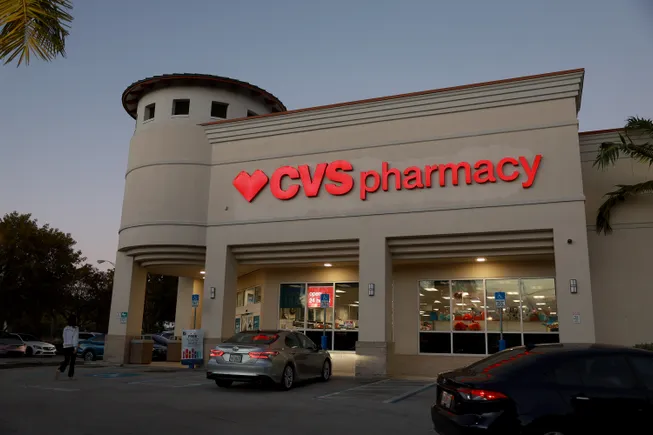
CVS Pharmacy agreed to pay $315 million to resolve federal allegations that it filled invalid prescriptions for opioids and other controlled substances, then sought reimbursement from Medicare and other government programs. The settlement covers alleged conduct from October 2013 through December 2025.
The agreement is a resolution of allegations, not an admission of liability. CVS said it strongly disagreed with the claims and was pleased to put the litigation behind it. That distinction matters: a civil settlement limits uncertainty and cost without producing a judicial finding that every allegation was true.
The payment is only one part of the outcome. The Justice Department said CVS will maintain a confidential reporting line, monitor dispensing patterns and use a process with the Drug Enforcement Administration to evaluate suspect prescribers. Those controls can create continuing compliance expense, but they may also reduce the probability of future violations.
Sizing the financial effect
The $315 million headline includes different government and state components under separate agreements, which is why one settlement document can show a smaller federal payment. Investors should not treat a single document’s $126 million amount as contradicting the total without accounting for all participating parties. The Department of Justice’s announcement is the clearest source for the aggregate figure.
The settlement is modest relative to CVS Health’s overall revenue, but that comparison can understate legal risk. Pharmacy compliance failures can produce repeat claims, operational restrictions and reputational damage. CVS previously agreed to pay about $5 billion to resolve opioid litigation brought by states, municipalities and tribes, so this case belongs to a broader liability history rather than an isolated event.
The original lawsuit also alleged that performance metrics and internal controls discouraged pharmacists from identifying problematic prescribers. CVS disputes the allegations. The practical question is whether the new monitoring program changes dispensing behavior without making legitimate prescriptions unnecessarily difficult to fill.
For shareholders, the immediate benefit is reduced uncertainty around this case. The residual risk lies in implementation, any additional investigations and the cost of maintaining stronger controls across a large pharmacy network. Future filings should show whether the payment was already reserved and whether compliance commitments materially affect expenses. Closure is valuable, but the obligations continue after the check is written.