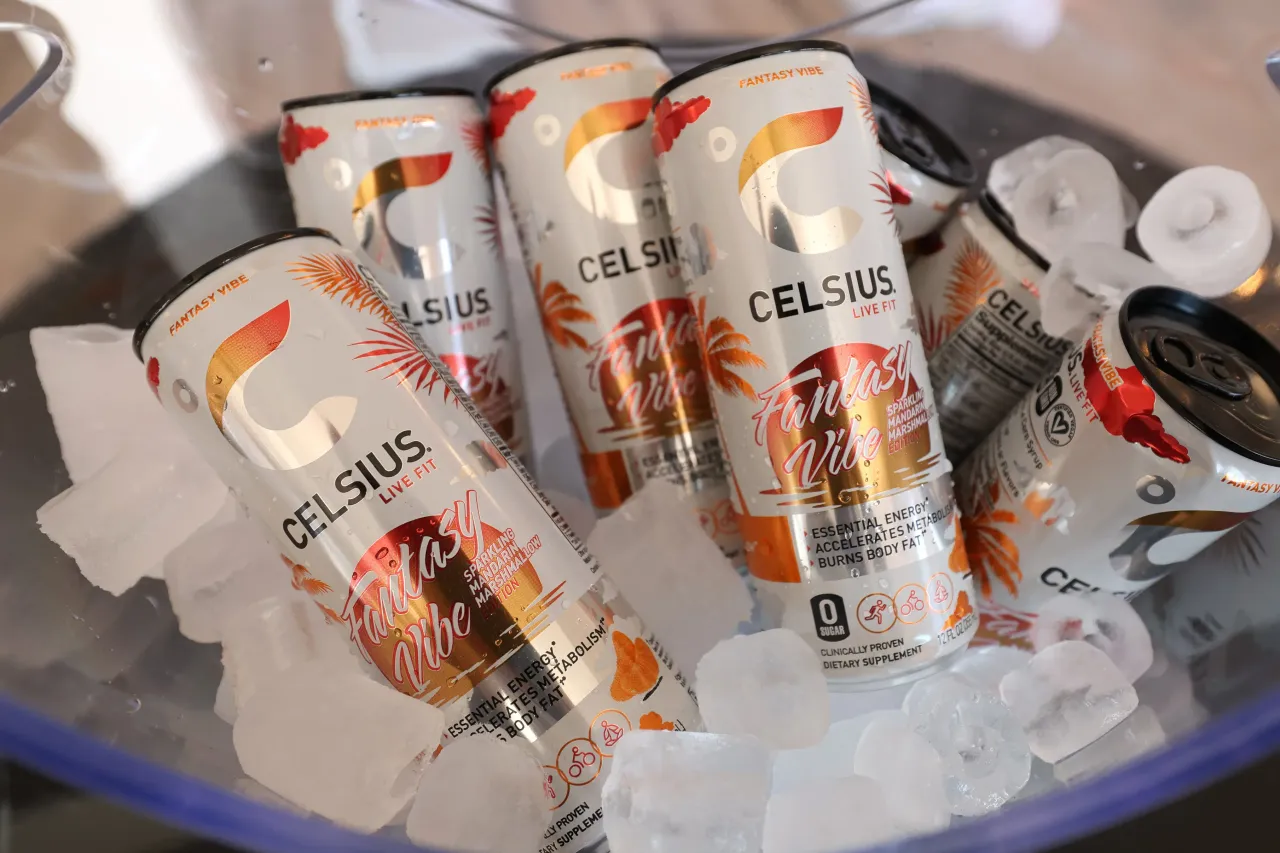
Celsius Holdings shares moved higher after hours after Chief Executive John Fieldly disclosed a sizable open-market purchase, giving investors a direct signal of management confidence during a difficult period for the stock.
Fieldly bought 18,000 shares on September 10 at a weighted average price of $27.4357, spending about $494,000. The transaction increased his direct ownership to 956,063 shares. The shares finished regular trading at $26.63 after a 3.65% decline, then rebounded in the extended session and reached as high as $27.28.
The purchase is notable because it was not an isolated insider transaction. Fieldly had also bought 8,475 shares in late May at roughly $29.36. That same May buying wave also included 7,500 shares purchased by then-President and COO Eric Hanson and 8,400 shares acquired by director Hal Kravitz. Combined, the three May insider purchases represented more than $700,000 of personal capital.
Insider buying can be a positive signal because executives already have significant economic exposure to the business through compensation. Choosing to commit additional personal capital can indicate that management believes the market is undervaluing the company.
The signal does not eliminate the operating challenges. Celsius is trying to stabilize its namesake energy-drink brand while integrating a broader portfolio that includes Alani Nu and Rockstar Energy through PepsiCo’s distribution network.
Second-quarter revenue reached $818 million, up 11% year over year, with Alani Nu contributing $364 million. The overall number was solid, but the quarter missed some expectations and the stock sold off sharply.
Management has said the core Celsius brand should stabilize before returning to growth later in the year. That is the key operating milestone. A larger portfolio can diversify revenue, but the flagship brand still matters for investor confidence and margin quality.
Leadership changes add another variable. The company announced a realignment after earnings, including the departure of its president and COO and new commercial responsibilities elsewhere in the organization.
Retail investors remained bearish in the sentiment data cited by the source, which shows that one insider purchase has not resolved the skepticism.
The next evidence needs to come from sell-through, market share and margins. If the Celsius brand stabilizes while Alani Nu and Rockstar scale effectively, the company can emerge with a stronger multi-brand platform.
Fieldly’s purchase is therefore best viewed as a confidence signal, not a substitute for execution. The CEO is buying while the market is cautious. Shareholders now need the operating data to show why that confidence is justified.
The company’s relationship with PepsiCo remains another key variable. Distribution scale can accelerate shelf presence for Celsius, Alani Nu and Rockstar, but it can also create inventory complexity if sell-through differs by brand. Investors should watch whether distributor inventory normalizes alongside consumer demand. Healthy channel inventory would make future revenue growth more dependable and reduce the risk of another sharp adjustment.
The purchase is also notable because Fieldly bought again after the stock had fallen below his earlier May purchase price. That does not guarantee the shares are near a bottom, but it shows he was willing to increase personal exposure as sentiment weakened. Investors should still avoid treating insider buying as a timing signal. Its value is greatest when later operating results confirm that management’s confidence was grounded in improving brand trends and cash generation.
For now, the purchase improves alignment between management and shareholders, but the recovery thesis still depends on evidence from the business rather than the filing.