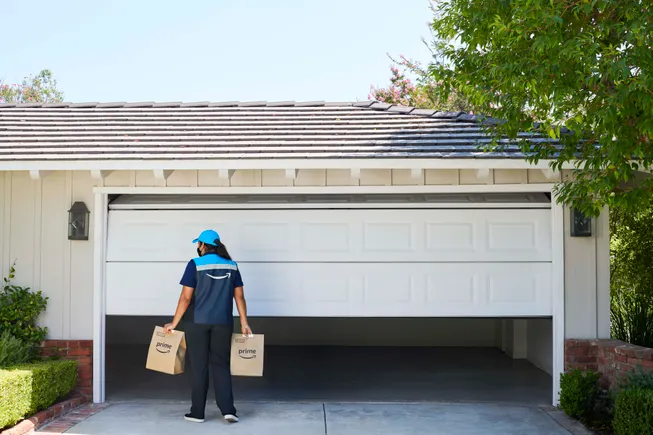
Amazon is closing an unspecified number of retailer-specific grocery storefronts on Amazon.com, another step in a long effort to simplify a fragmented grocery strategy. The company says shoppers will be directed to the best available grocery options on its marketplace as the individual stores disappear.
Partner storefronts have included U.S. grocers such as Winn-Dixie, Metropolitan Market and Weis Markets, as well as Morrisons in Europe. Each retailer can have different fees, delivery windows and checkout rules, creating friction for customers who expect a single Amazon experience.
What Amazon is keeping
The company is not exiting grocery delivery. It offers same-day fresh-grocery service in more than 2,300 U.S. cities and towns, along with parts of Tokyo and London, and plans additional international expansion. Retail partners may still work with Amazon through lockers, return points, co-located operations and Amazon Web Services.
That distinction matters. Amazon is reducing its role as a branded digital storefront for other grocers while concentrating on services it can standardize or control more directly. The shift may improve navigation and operating efficiency, but it removes a distribution channel that some regional grocers used to reach Amazon customers.
The decision follows a broader reset. In January 2026, Amazon said it would close Amazon Go and Amazon Fresh physical stores and convert selected sites to Whole Foods Market locations. The company acknowledged that its Amazon-branded physical stores had not achieved a distinctive customer experience with the economics needed for large-scale expansion.
The financial signal is limited
Amazon did not identify the affected partners, the number of storefronts or the revenue involved. A limited number of jobs will be affected, and the company says it is helping employees seek other internal roles. Without transaction volume or margin data, investors should not treat the change as a major earnings event.
The strategic direction is clearer than the near-term financial impact. Amazon is favoring integrated delivery, Whole Foods and infrastructure services over a patchwork of retailer-branded shops.
The evidence to watch is whether same-day grocery order frequency rises as the interface becomes simpler, whether regional partners migrate to other Amazon services, and whether the company can improve grocery margins while preserving selection. Closing storefronts removes complexity, but it also narrows the marketplace model that distinguished Amazon from a conventional grocer.