Be The Investor Research
Original source publication: 2026-10-07
Research updated: 2026-10-07
Data as of: 2026-10-07 source snapshot; primary-source checks performed 2026-10-07 where indicated.
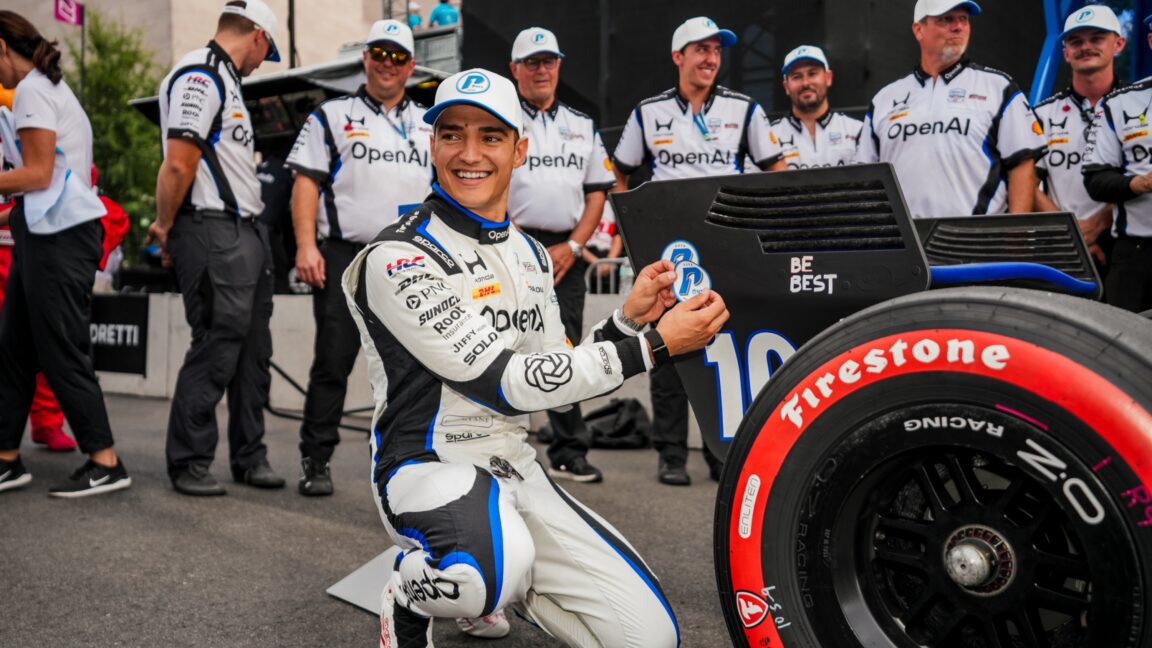
OpenAI's collaboration with Chip Ganassi Racing provides a concrete example of AI being applied to engineering and operational decisions, rather than used solely for marketing. Ars Technica reports work on optimizing IndyCar setups, while the team's own April 2026 announcement confirms that the relationship includes hands-on technical collaboration. For investors evaluating industrial AI, the important question is whether such tools improve measurable workflows.
Beyond the sponsor logo
Ars describes OpenAI researchers working with the racing team and driver Alex Palou. The distinction between sponsorship and technical use matters: a commercial logo placement is not itself evidence of productivity, whereas a tool integrated into an engineering workflow can potentially be evaluated against operational outcomes.
The supplied report also discusses other motorsport applications, including analysis of radio traffic and the use of machine learning in aerodynamic development. These are different approaches and should not be treated as a single demonstration of what general-purpose language models can do.
BTI analysis: a useful proving ground
Racing teams make decisions under time pressure using large amounts of technical information. That setting can help expose whether AI output is timely, relevant and usable by experienced engineers. It also makes human oversight important because an inaccurate recommendation can impair performance.
The key investment lesson is about the quality of the evidence. A before-and-after workflow comparison would be more useful than championship results alone. Driver skill, vehicle development, track conditions and team execution make it difficult to attribute a win to an AI system.
Limits of the commercial inference
Neither the supplied article nor the partnership announcement provides contract value, deployment economics or a quantified contribution to an AI supplier's revenue. The collaboration therefore supports an adoption case study, not an earnings estimate. It also does not establish a material stock impact on manufacturers or software companies merely mentioned as examples.
What to watch
Useful next evidence would include engineer time saved, recommendation accuracy, integration costs and whether the process can be repeated in other engineering settings. BTI's view is that operational case studies deserve attention when they reveal how AI is used. They deserve skepticism when sporting success is presented as proof of technological causation.
Sources
AI/ML is becoming a performance factor in motorsport: https://arstechnica.com/cars/2026/10/ai-ml-setups-became-a-tool-in-indycar-champion-alex-palous-toolbox/
Chip Ganassi Racing: OpenAI Expands Partnership: https://rain.ganassi.com/news/openai-expands-chip-ganassi-racing-partnership-becomes-primary-partner-for-the-no-10-honda-at-long-beach-washington-dc
For educational purposes. This analysis is not personalized investment advice.