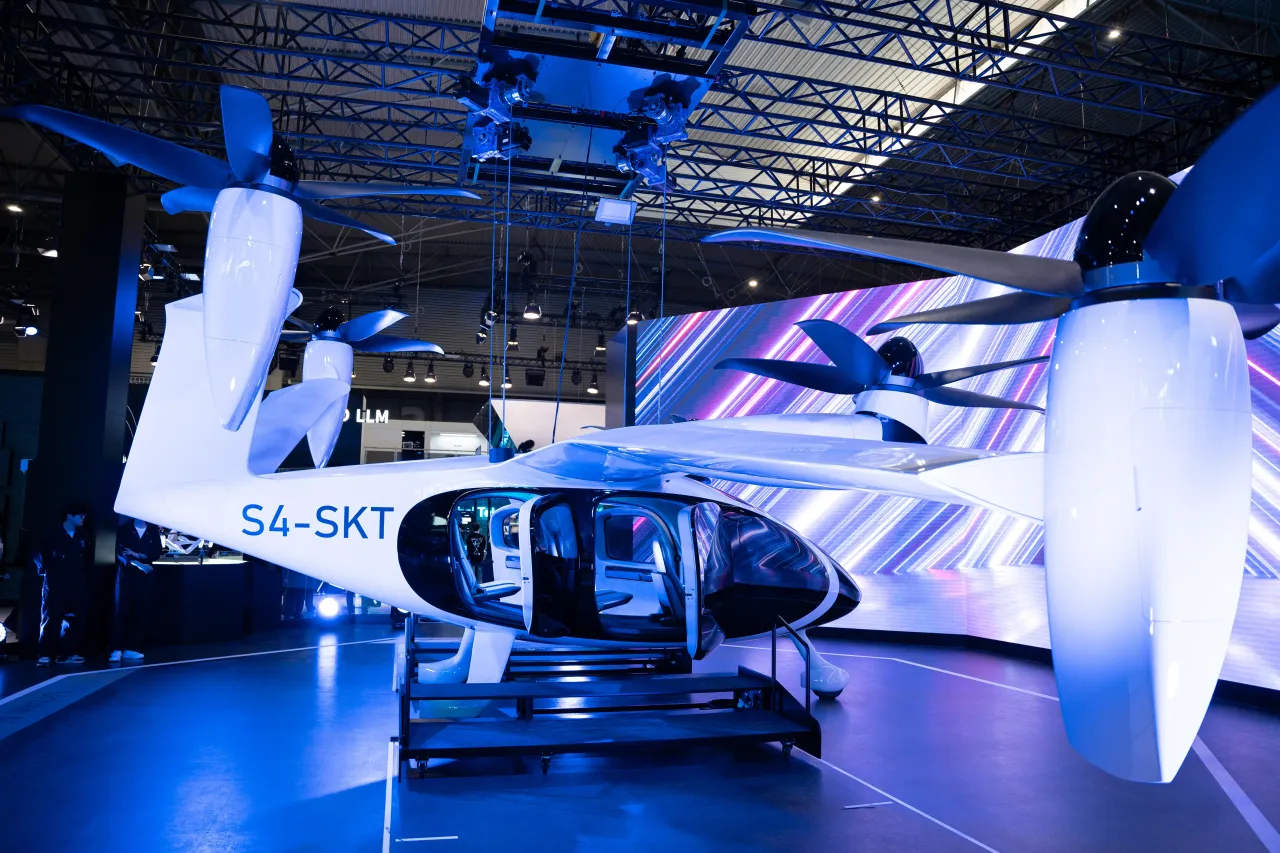
Joby Aviation fell after Barclays downgraded the stock and questioned how quickly the company can manufacture enough aircraft to capture meaningful market share. The rating change is not the core issue. Joby must move from flight testing and certification toward repeatable production while funding a business that still consumes substantial cash.
Certification is only the first gate
Joby has built a meaningful test fleet and says it is progressing through the Federal Aviation Administration certification process. Regulatory approval would permit commercial operations, but it would not prove that the company can produce aircraft at a cost and pace that support attractive unit economics.
The manufacturing question covers supplier reliability, battery and propulsion yields, labor efficiency and the time required to complete each aircraft. Small delays across those steps can limit the number of vehicles available for service and postpone revenue even after certification.
The cash runway is measurable
Joby reported about $2.3 billion of cash, cash equivalents and marketable securities at the end of the second quarter of 2026. Its filing showed $317.6 million of net cash used in operating activities during the first six months of the year. That balance provides time, but investors should not treat it as unlimited when aircraft production, infrastructure and certification are all being funded together.
Barclays also contrasted Joby with Archer’s growing defense exposure. The comparison is useful because government and defense work can create earlier revenue, but it does not determine which company will ultimately execute passenger service better.
What investors should watch
The next useful evidence is the number of aircraft completed, certification-stage progress, operating cash use and any disclosure on cost per aircraft. Commercial launch dates matter only when matched by a fleet large enough to serve routes reliably.
BTI's bottom line
Joby’s technology may clear the regulatory gate before peers, yet shareholders need a second proof: that the company can turn certified designs into a scalable manufacturing system without exhausting its liquidity.