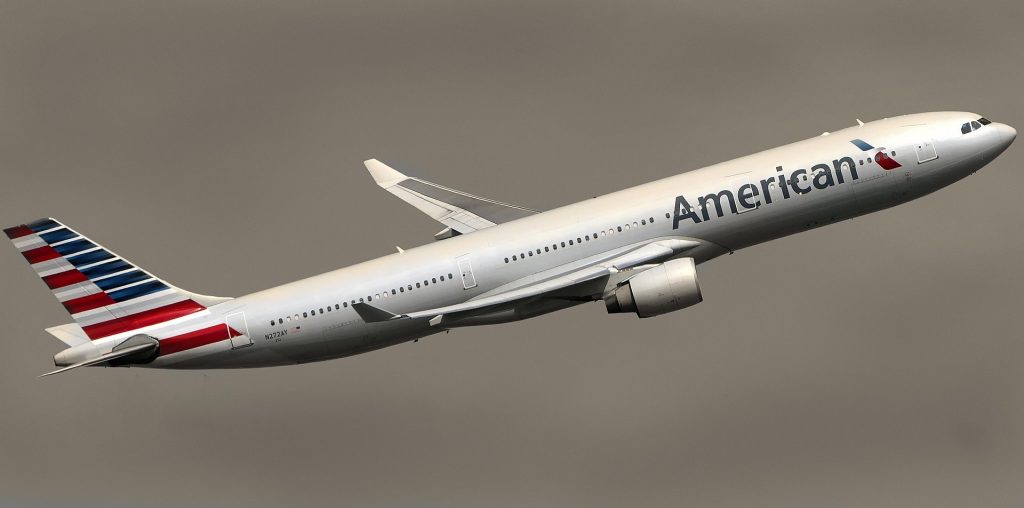
American Airlines generated record second-quarter revenue of $16.7 billion, up 16.3% from a year earlier, yet adjusted earnings were only $0.15 a share. The reason was fuel: the carrier's fuel expense increased by more than $2.2 billion, or 83%, overwhelming much of the benefit from stronger sales.
Management said the fuel shock changed its full-year outlook. American guided to adjusted 2026 earnings between a loss of $0.65 a share and a profit of $0.65, leaving break-even at the midpoint. For the third quarter, the company expected fuel expense to be about $1.7 billion higher than a year earlier.
Airlines cannot pass every cost increase to customers immediately. Fares are set in a competitive market, tickets are sold in advance and capacity decisions take time to change. American reduced its third-quarter capacity-growth plan, but that protects margins only if the company can preserve pricing and avoid losing high-value traffic.
There is some offset. Premium revenue rose faster than the rest of the business in the second quarter, and management still expected positive free cash flow at the midpoint of its outlook. Lower net debt would also improve resilience. Those benefits remain vulnerable because American entered the shock with thin margins and a significant debt burden.
The upcoming results should be judged against operational variables, not only headline revenue. Investors need the realized fuel price per gallon, passenger yield, unit cost excluding fuel, capacity growth and free cash flow. If fare strength and capacity discipline recover a larger share of the fuel increase, the profit range may prove conservative. If fuel remains elevated without a matching rise in revenue per seat, record sales will continue to produce disappointing earnings.